9th STREET SE.
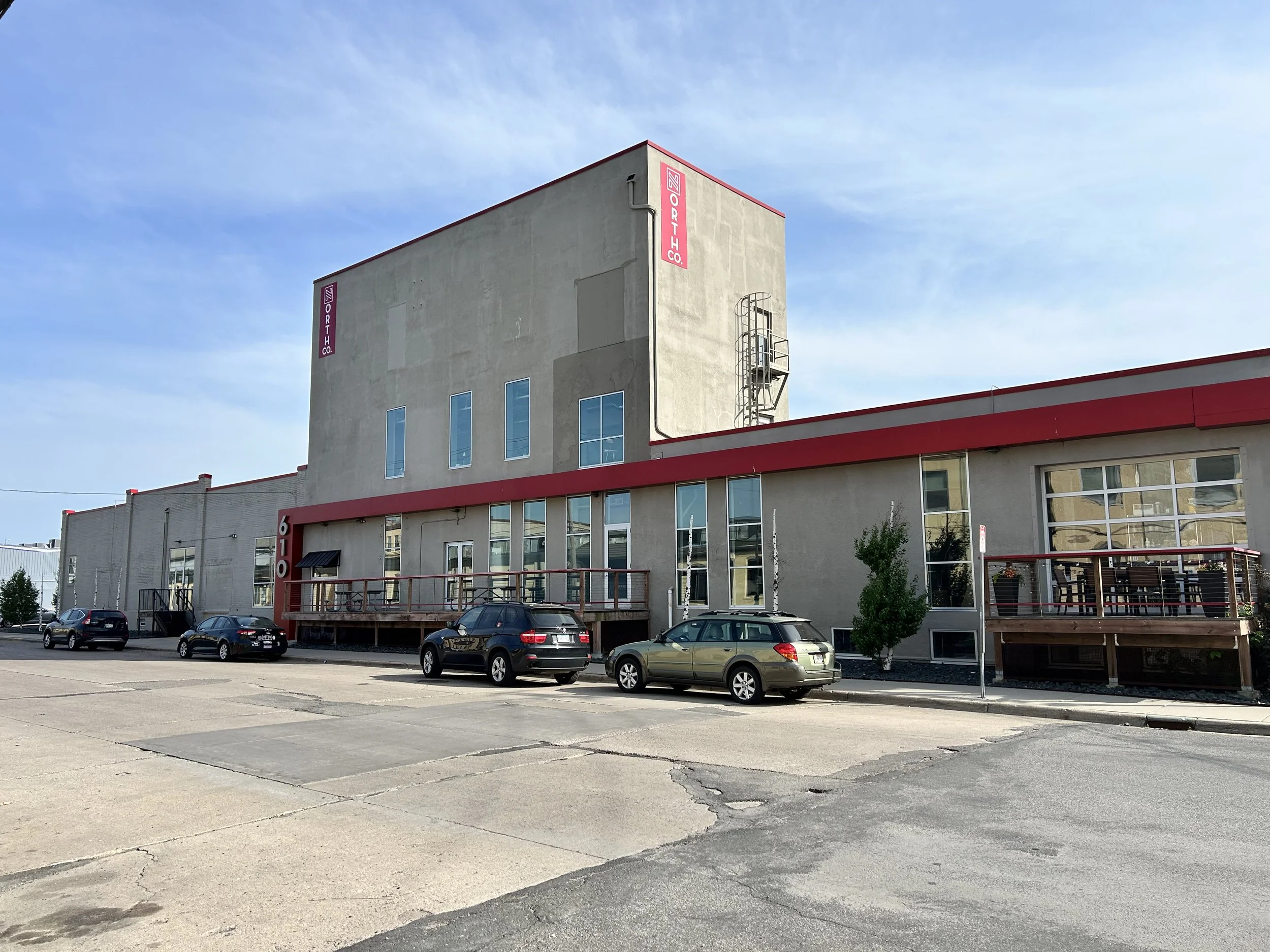
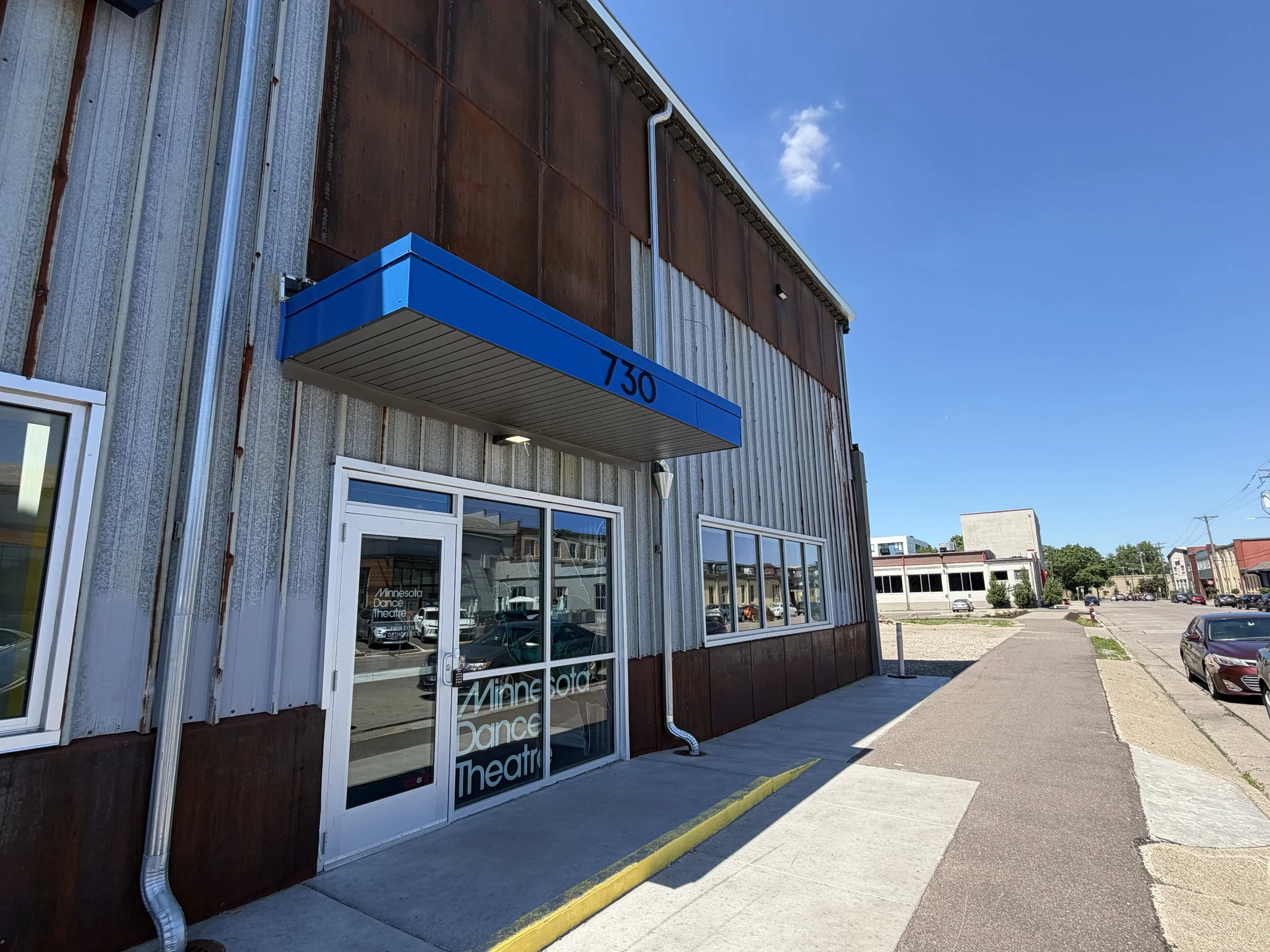
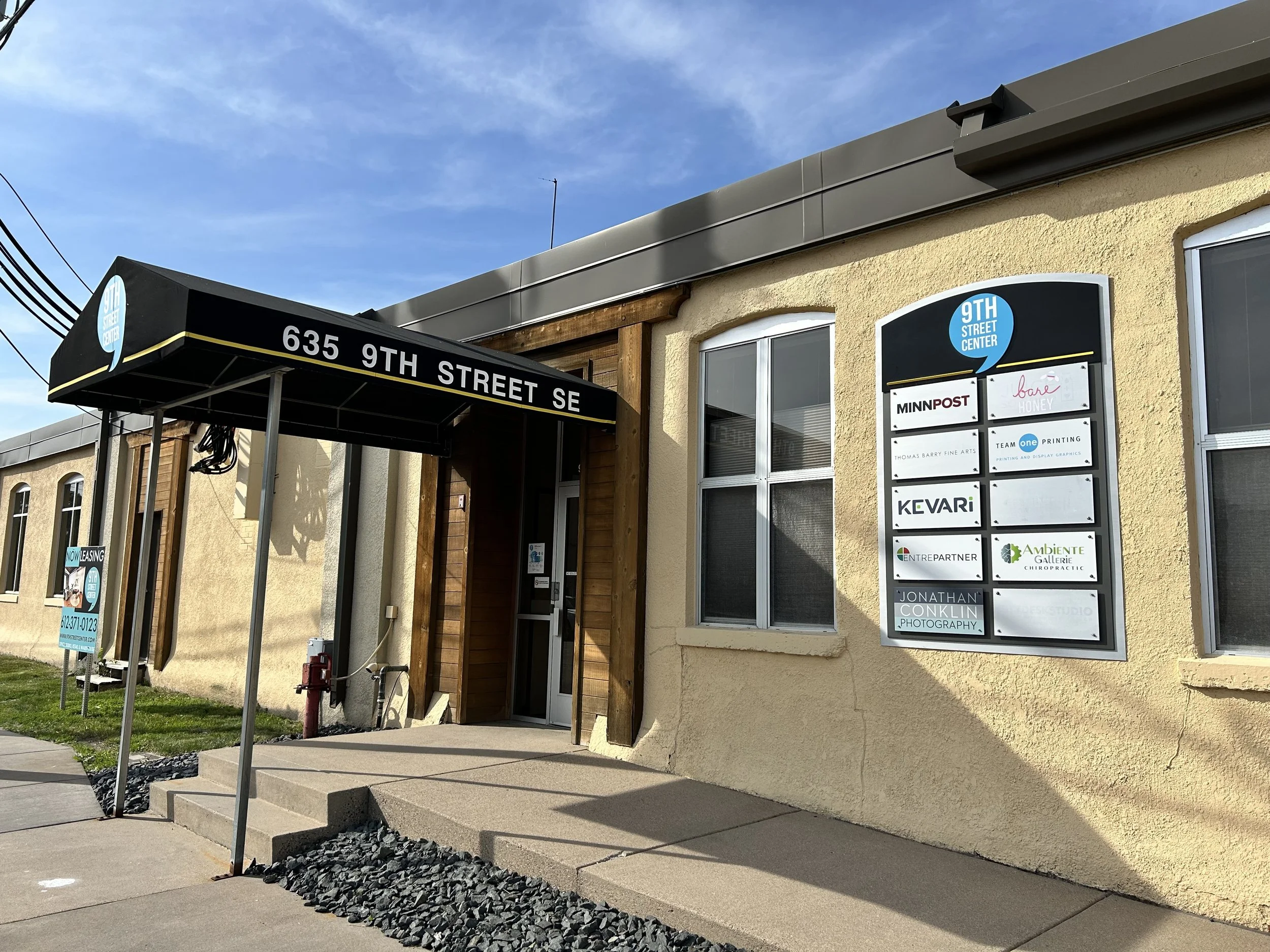
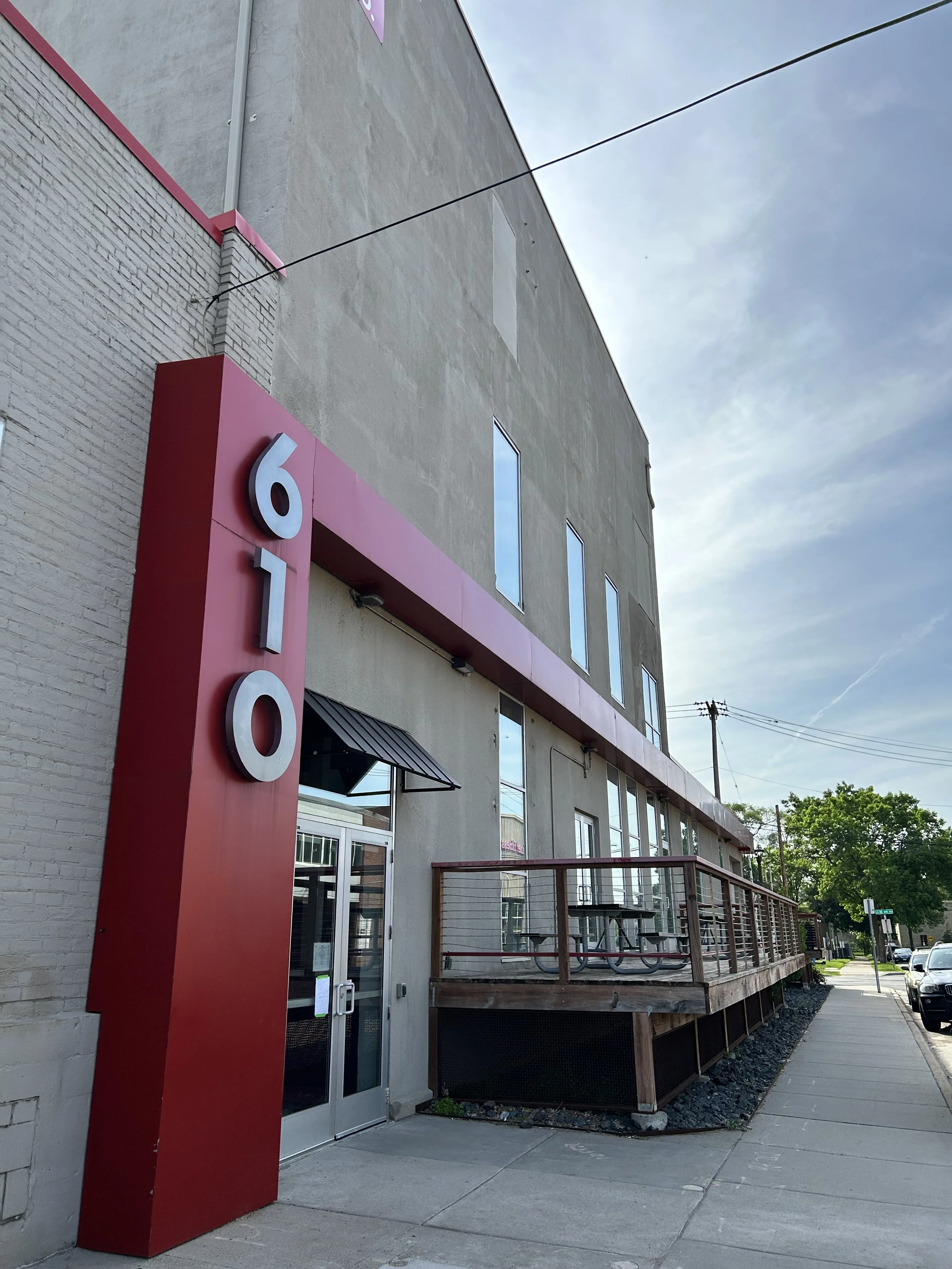
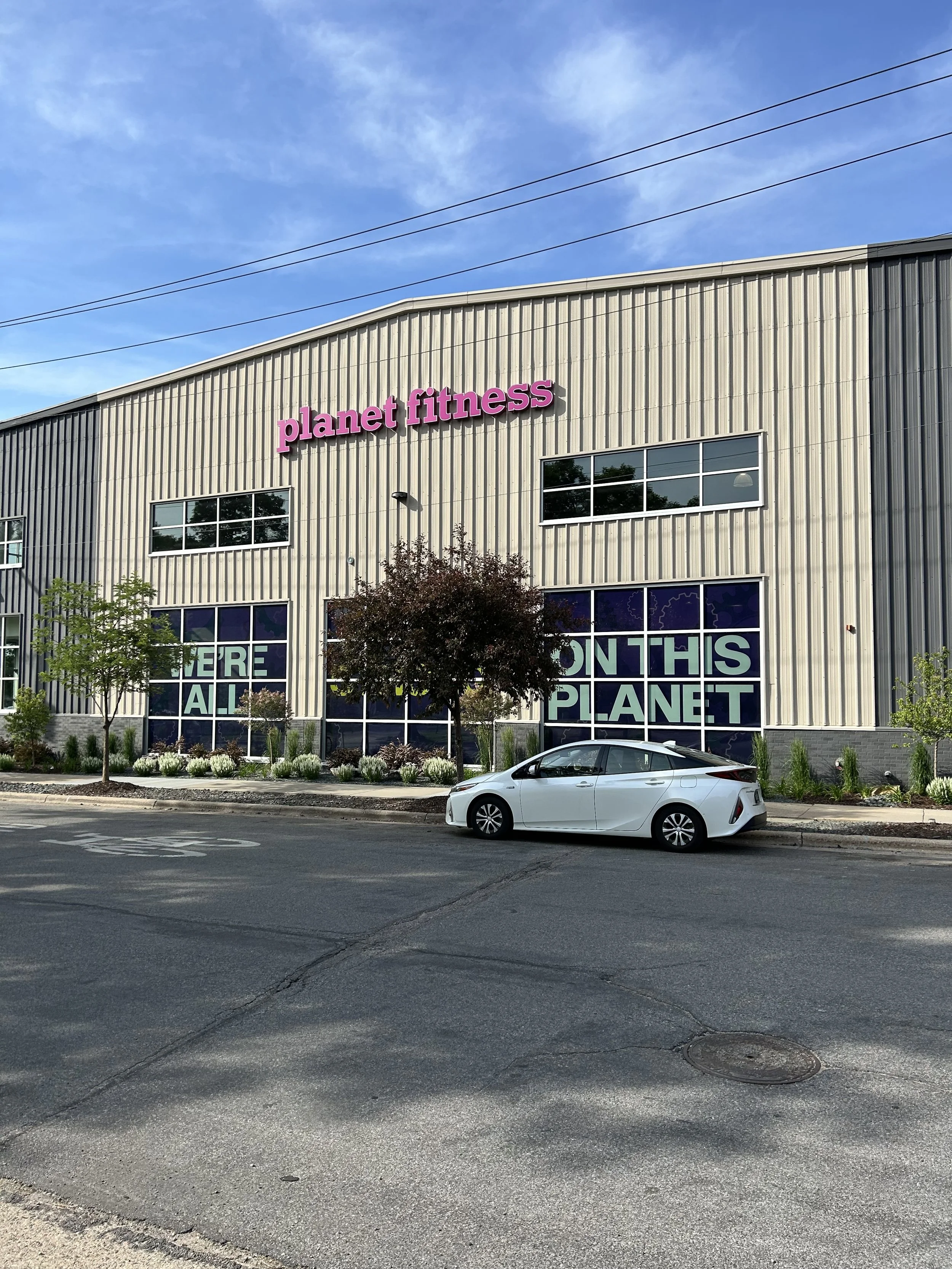
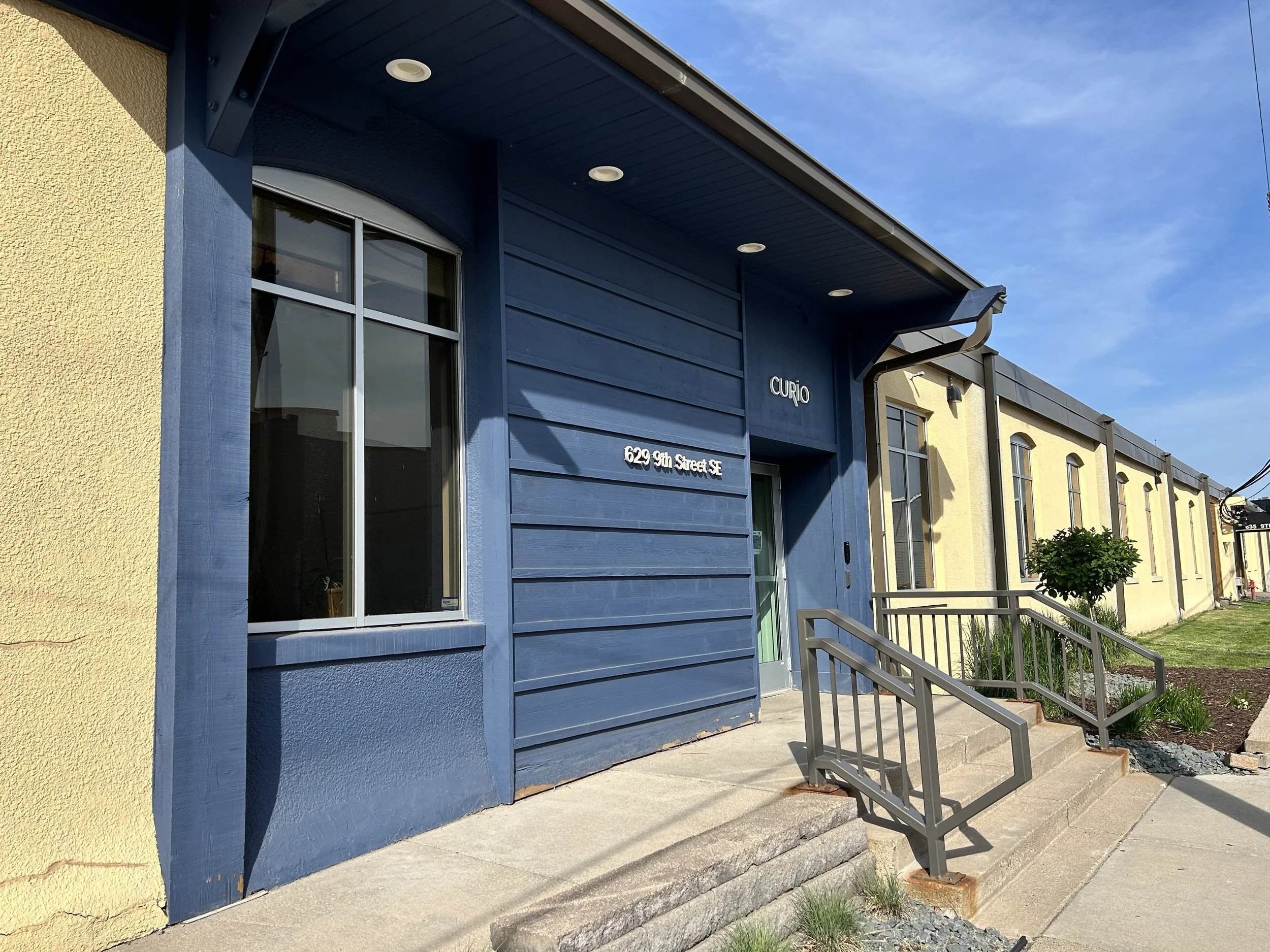
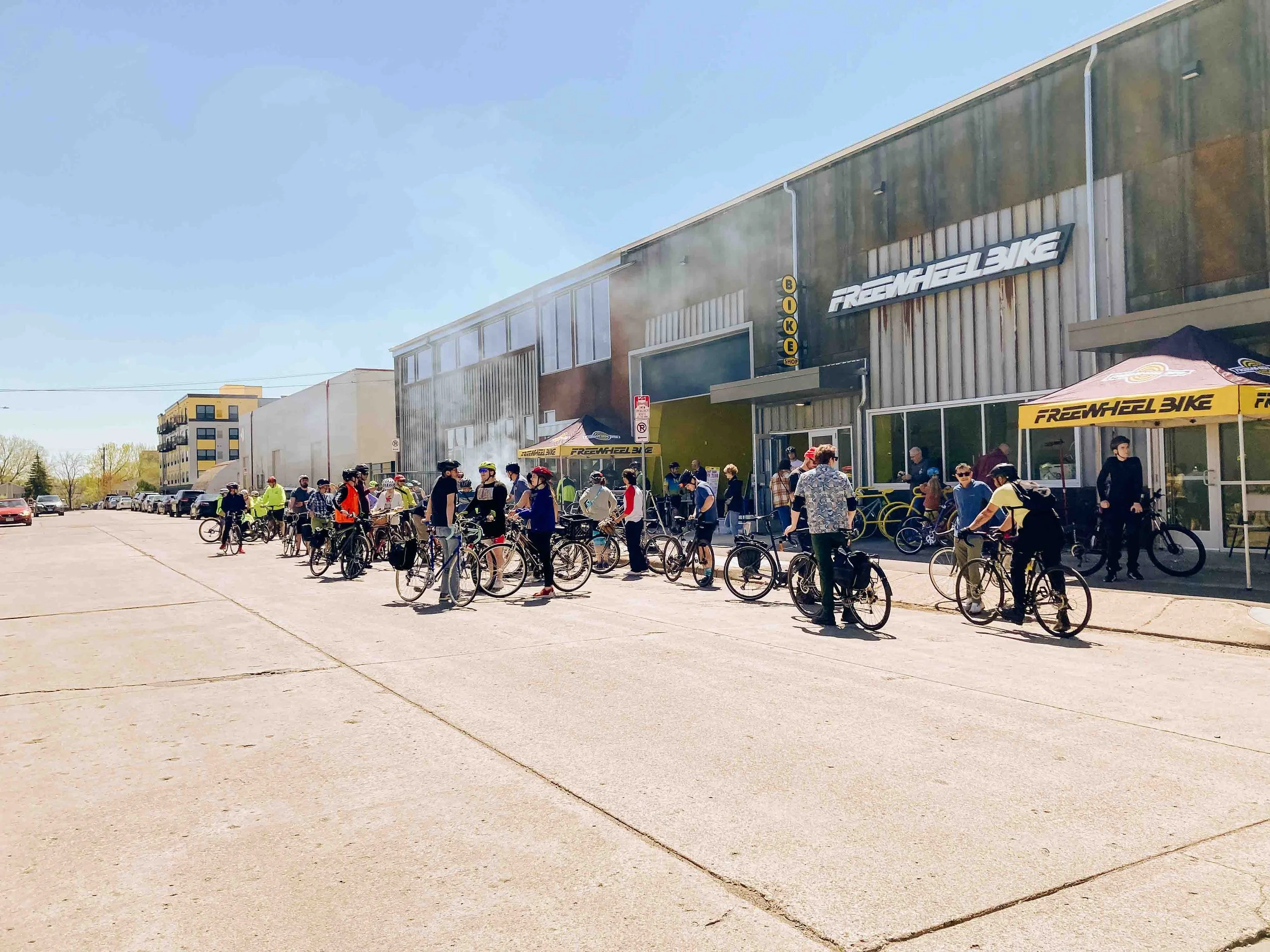
The 9th Street SE commercial corridor in the Marcy-Holmes neighborhood represents one of the newest and most rapidly evolving business districts on Minneapolis’ East Bank.
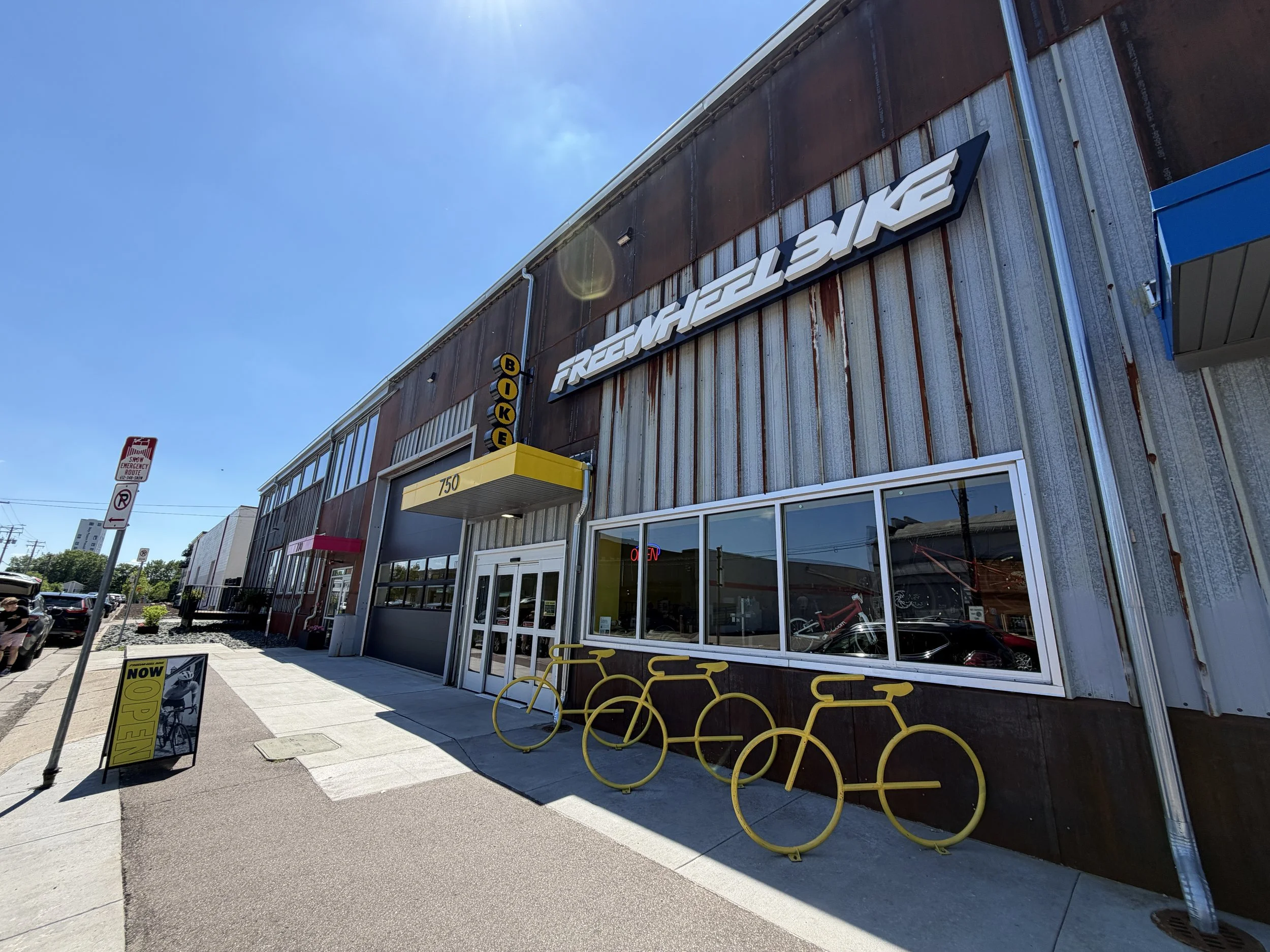
Unlike older commercial areas such as Dinkytown, St. Anthony Main, or the Como Avenue corridor — all of which developed during the streetcar and industrial eras — the 9th Street SE district is largely a product of twenty-first century redevelopment. Historically, much of the surrounding area contained industrial buildings, warehouses, surface parking lots, underutilized properties, and transportation-oriented land uses tied to the nearby rail corridors and riverfront industrial economy. While the corridor benefited from its strategic location between downtown Minneapolis, the University of Minnesota, and Northeast Minneapolis, it remained relatively underdeveloped commercially for much of the twentieth century.
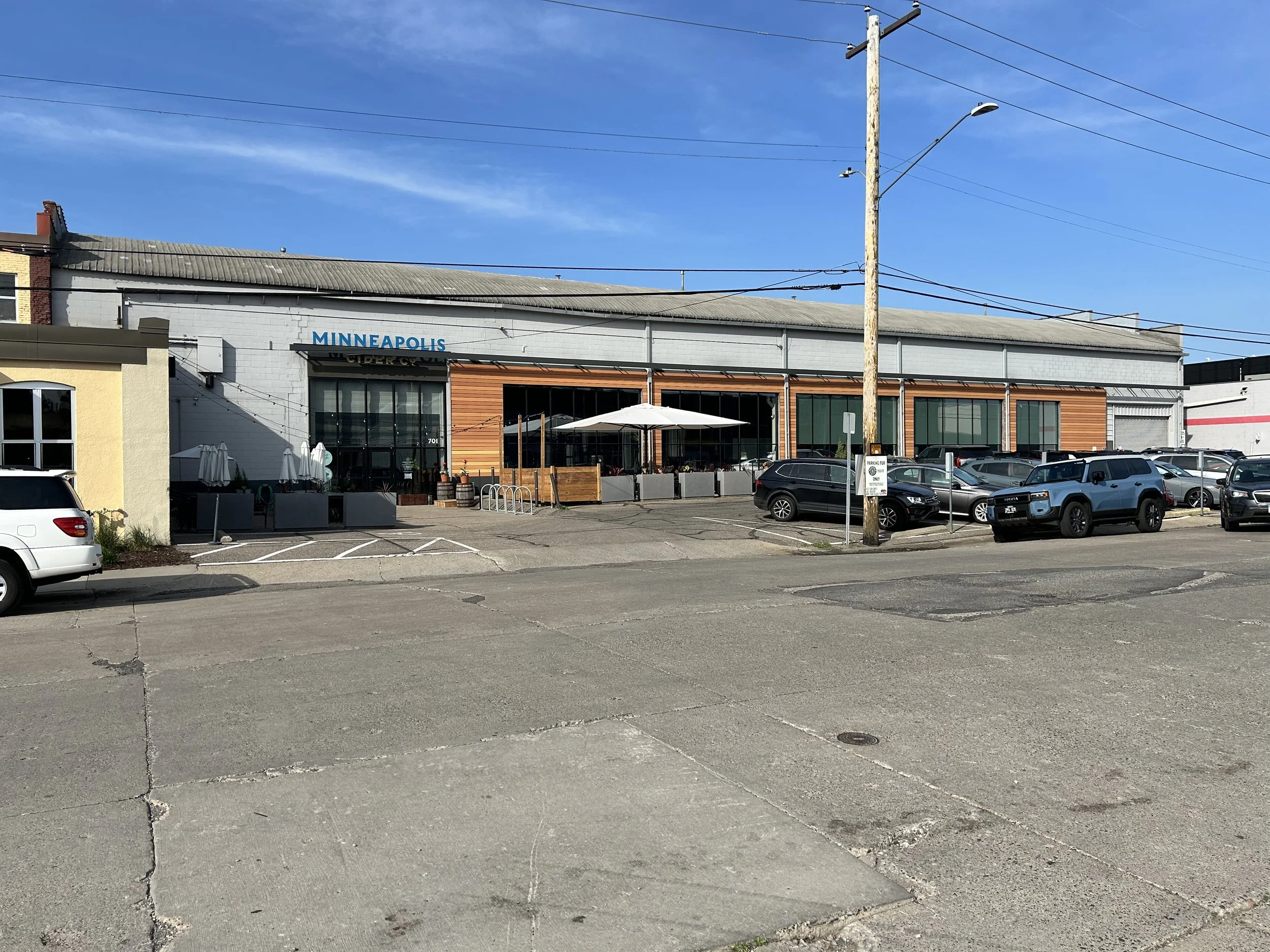
Major transformation began in the 2010s as large-scale residential redevelopment reshaped portions of the Marcy-Holmes neighborhood. New mixed-use apartment projects, student housing developments, and infrastructure improvements dramatically increased population density in the area surrounding 9th Street SE. At the same time, the corridor’s location near Interstate 35W, downtown Minneapolis, Dinkytown, and the Mississippi Riverfront made it increasingly attractive for reinvestment. New restaurants, cafés, breweries, service businesses, and neighborhood-oriented retail spaces began occupying newly constructed mixed-use buildings, helping establish 9th Street SE as an emerging commercial corridor distinct from nearby districts. Unlike the entertainment-focused character of Dinkytown or the historic riverfront identity of Main Street SE, the 9th Street corridor developed primarily as a modern mixed-use neighborhood district shaped by recent urban residential growth.
Today, the 9th Street SE corridor continues to evolve as one of the East Bank’s newest commercial areas. The district reflects broader trends in Minneapolis toward higher-density urban living, adaptive reuse, and walkable mixed-use development. While much of its physical character is contemporary rather than historic, the corridor has quickly become an important connector between surrounding neighborhoods and commercial districts. Its growing concentration of housing, restaurants, small businesses, and pedestrian activity has helped transform a formerly transitional industrial area into an increasingly active urban neighborhood center within Marcy-Holmes and the broader East Bank geography.