DINKYTOWN.
The Dinkytown commercial district emerged in the late nineteenth century alongside the rapid growth of the University of Minnesota and the expansion of Minneapolis as a railroad and streetcar city.
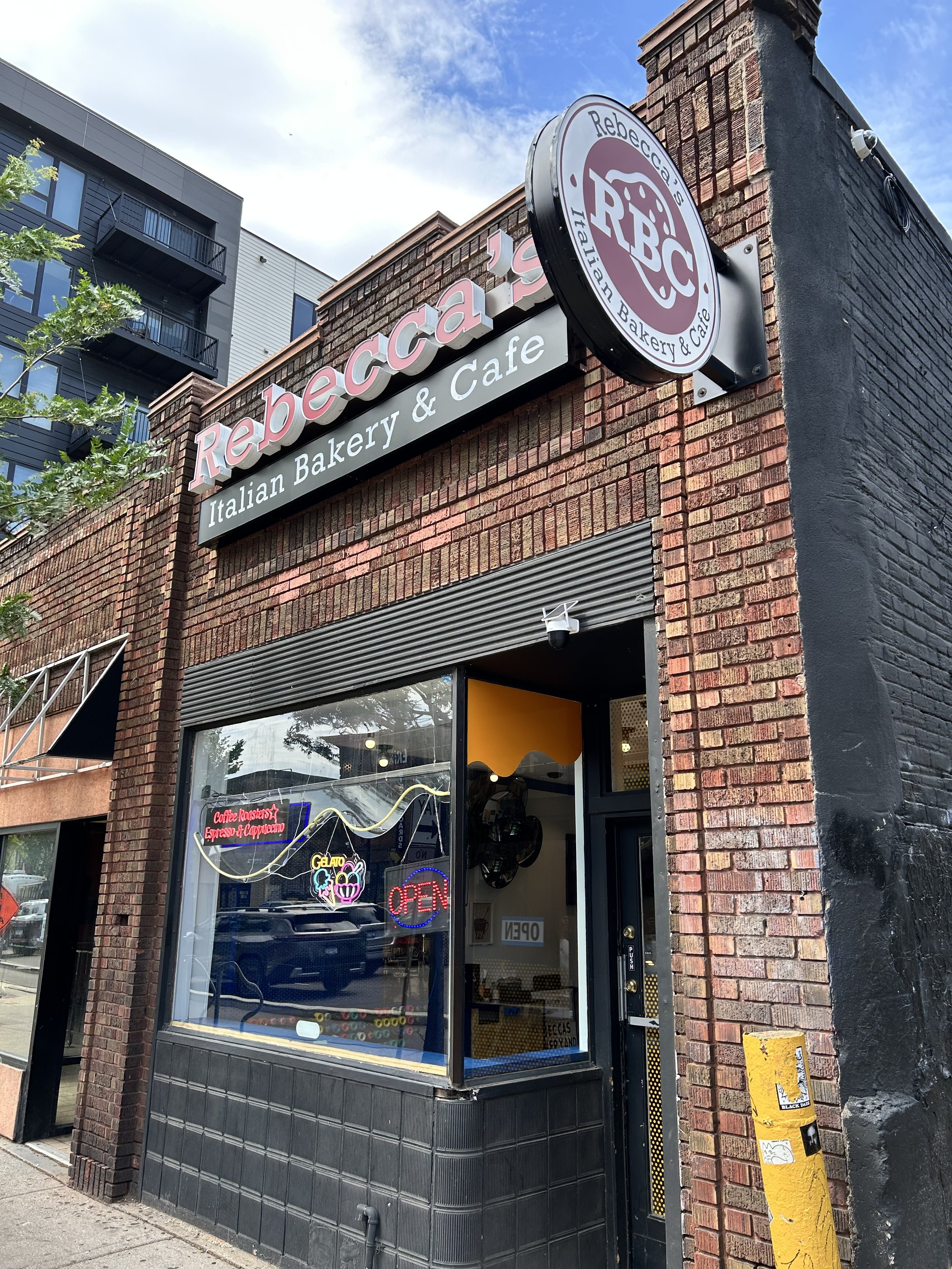
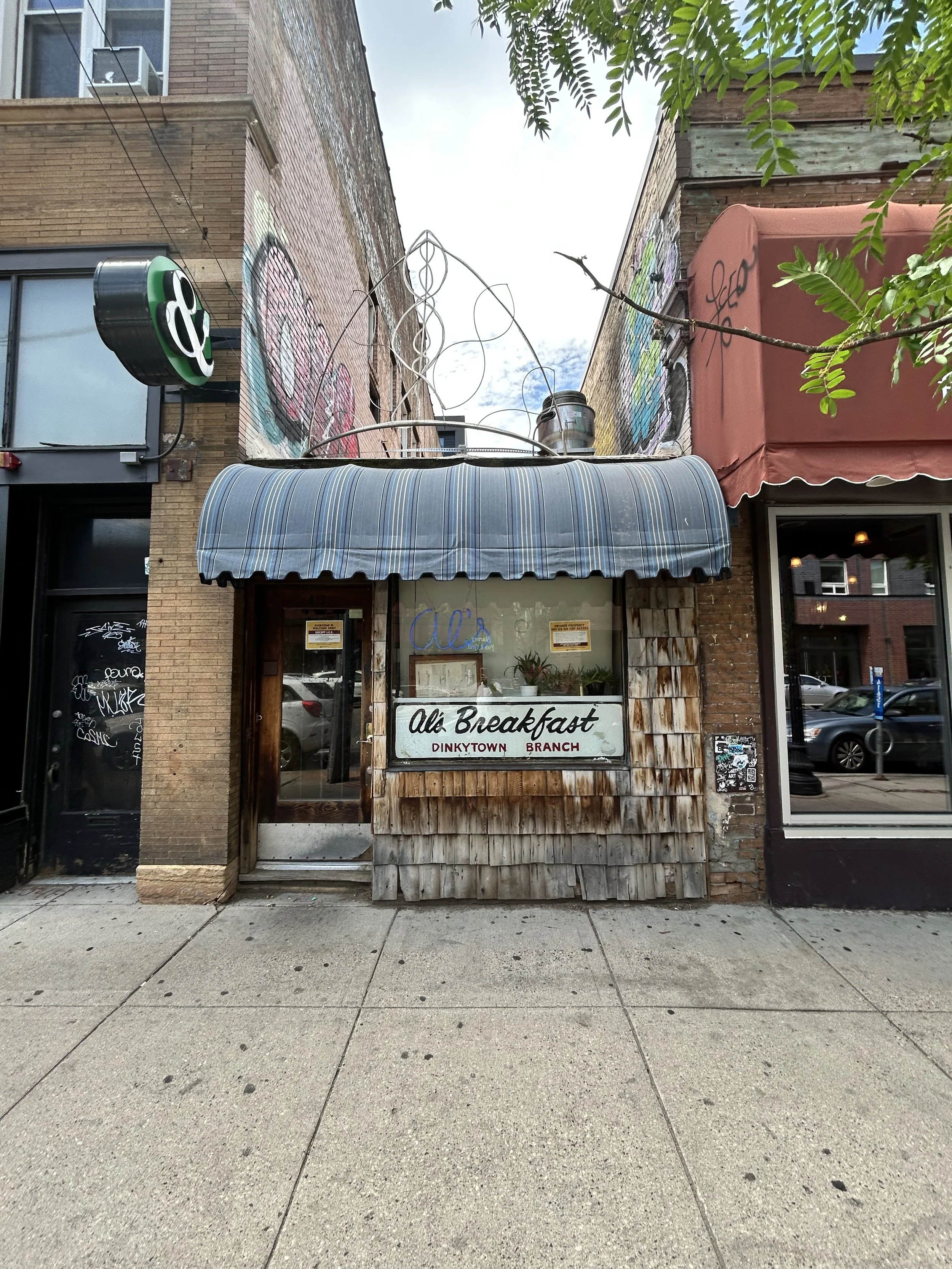
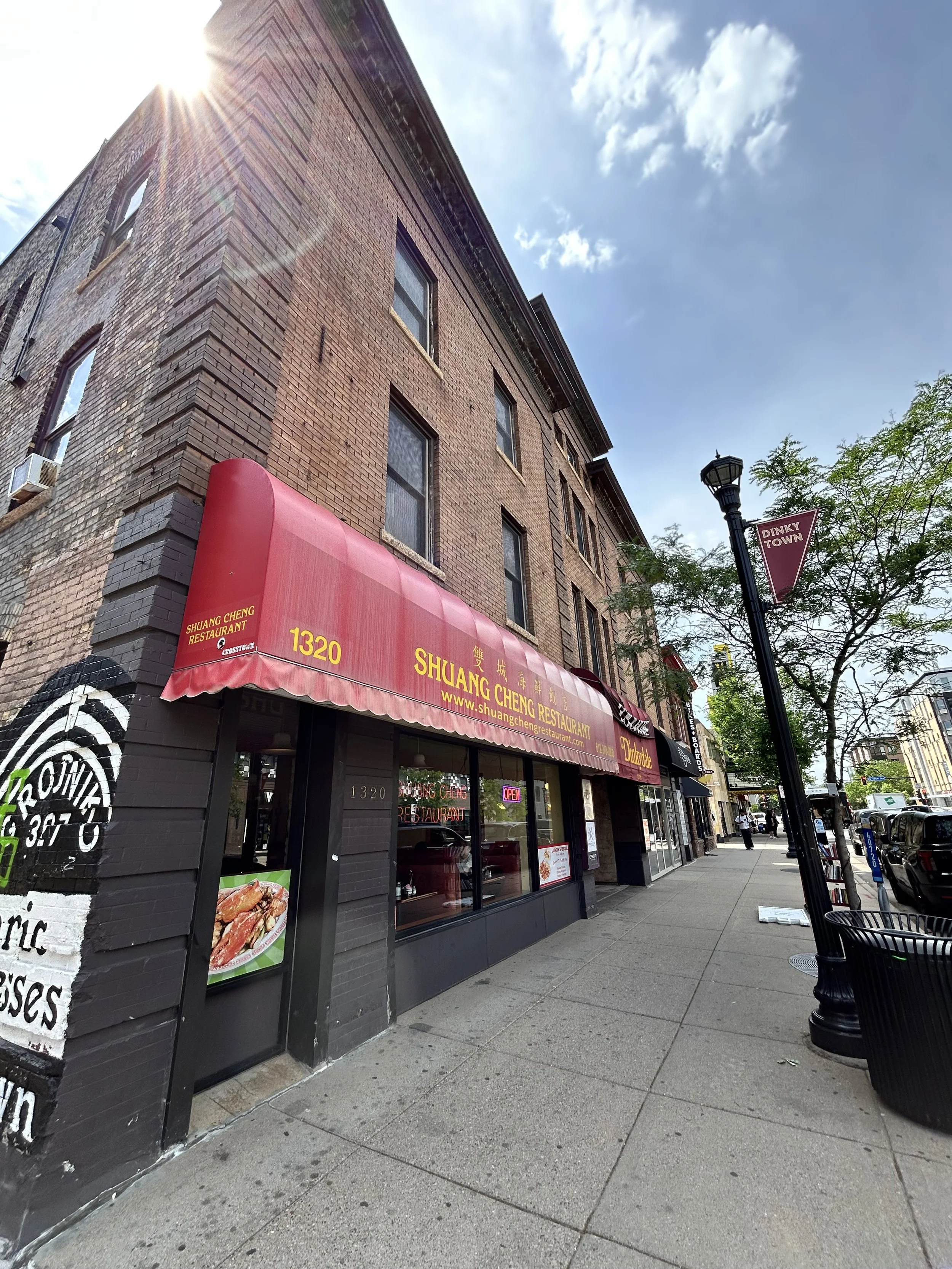
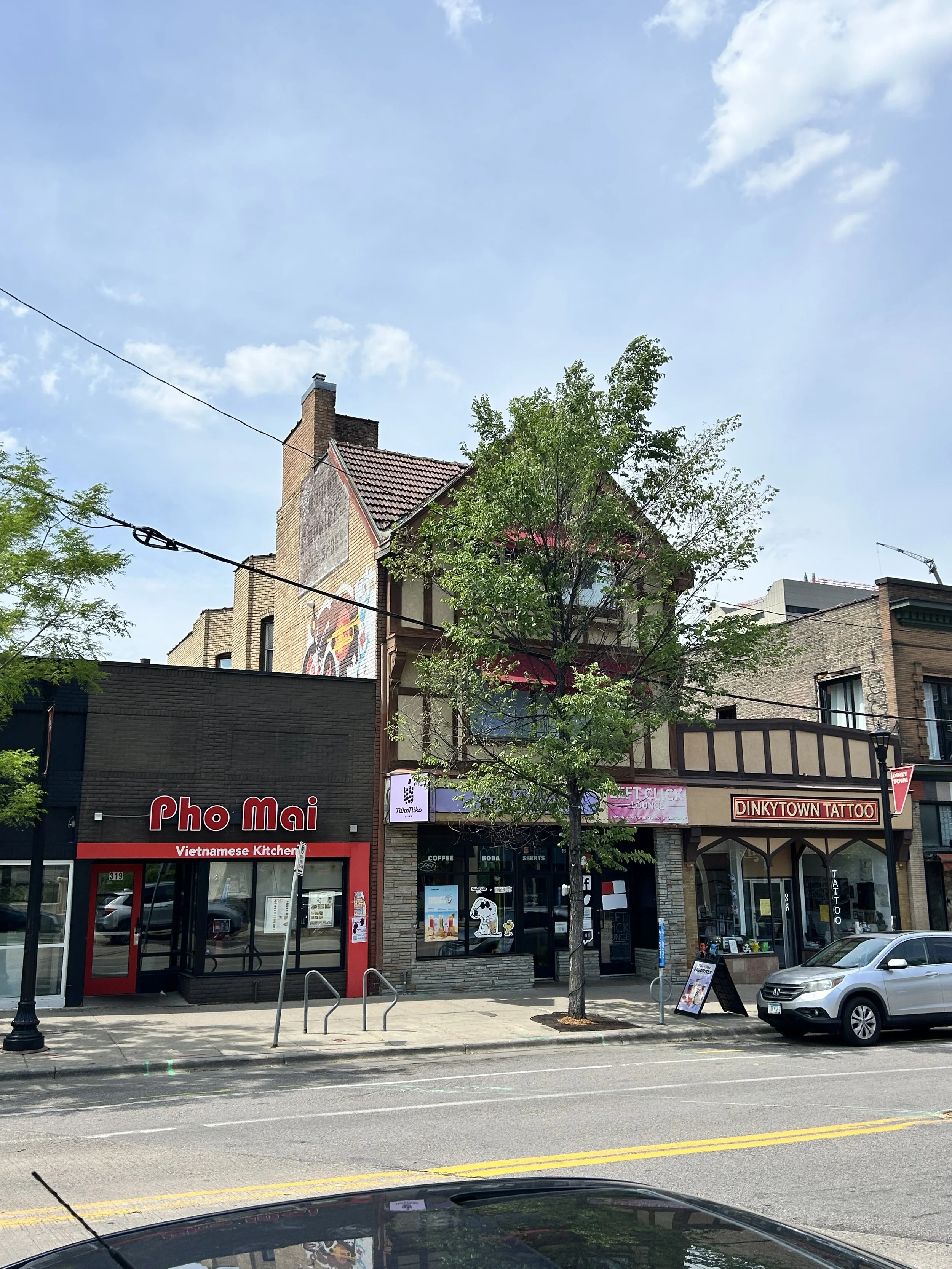
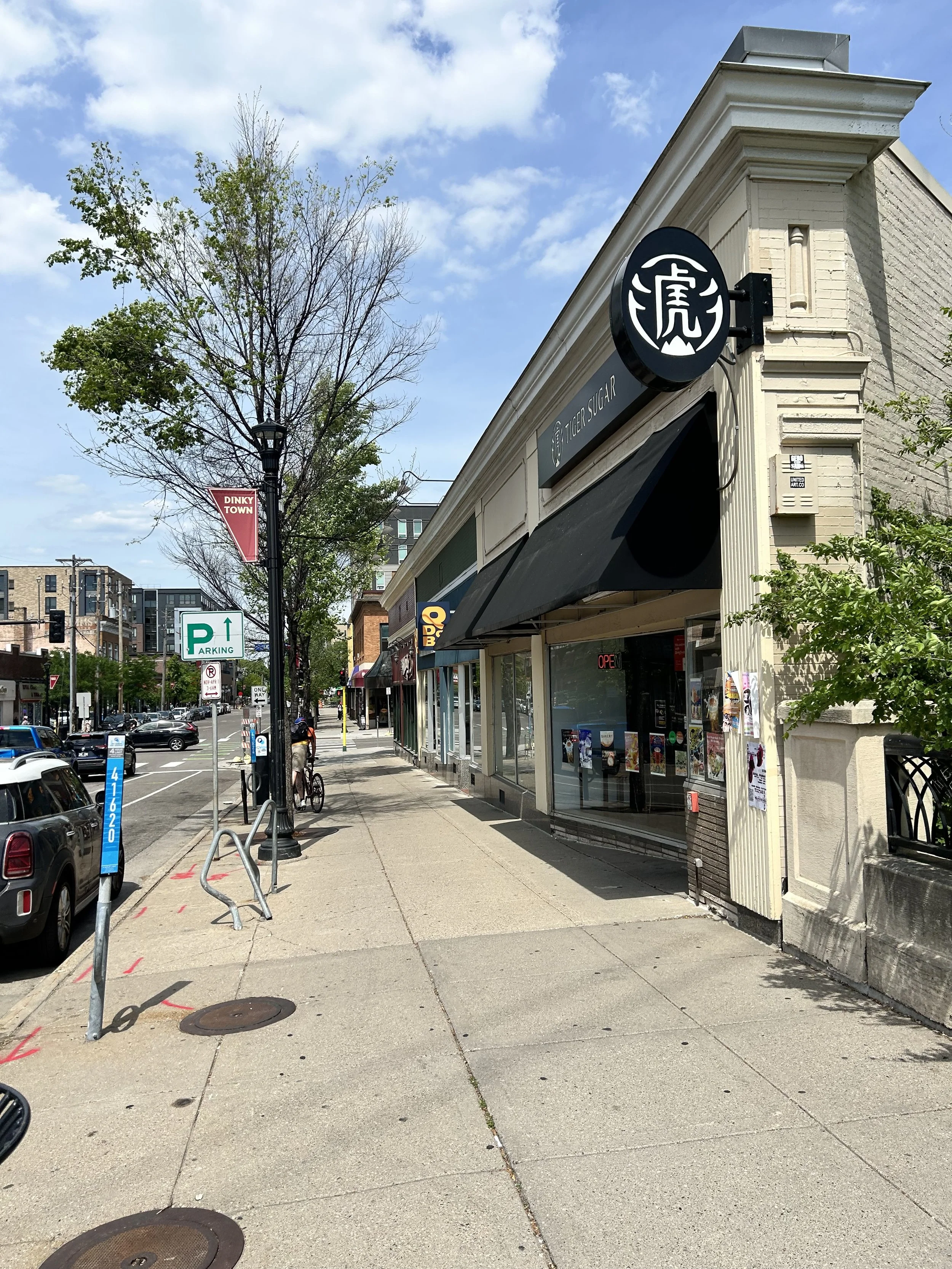
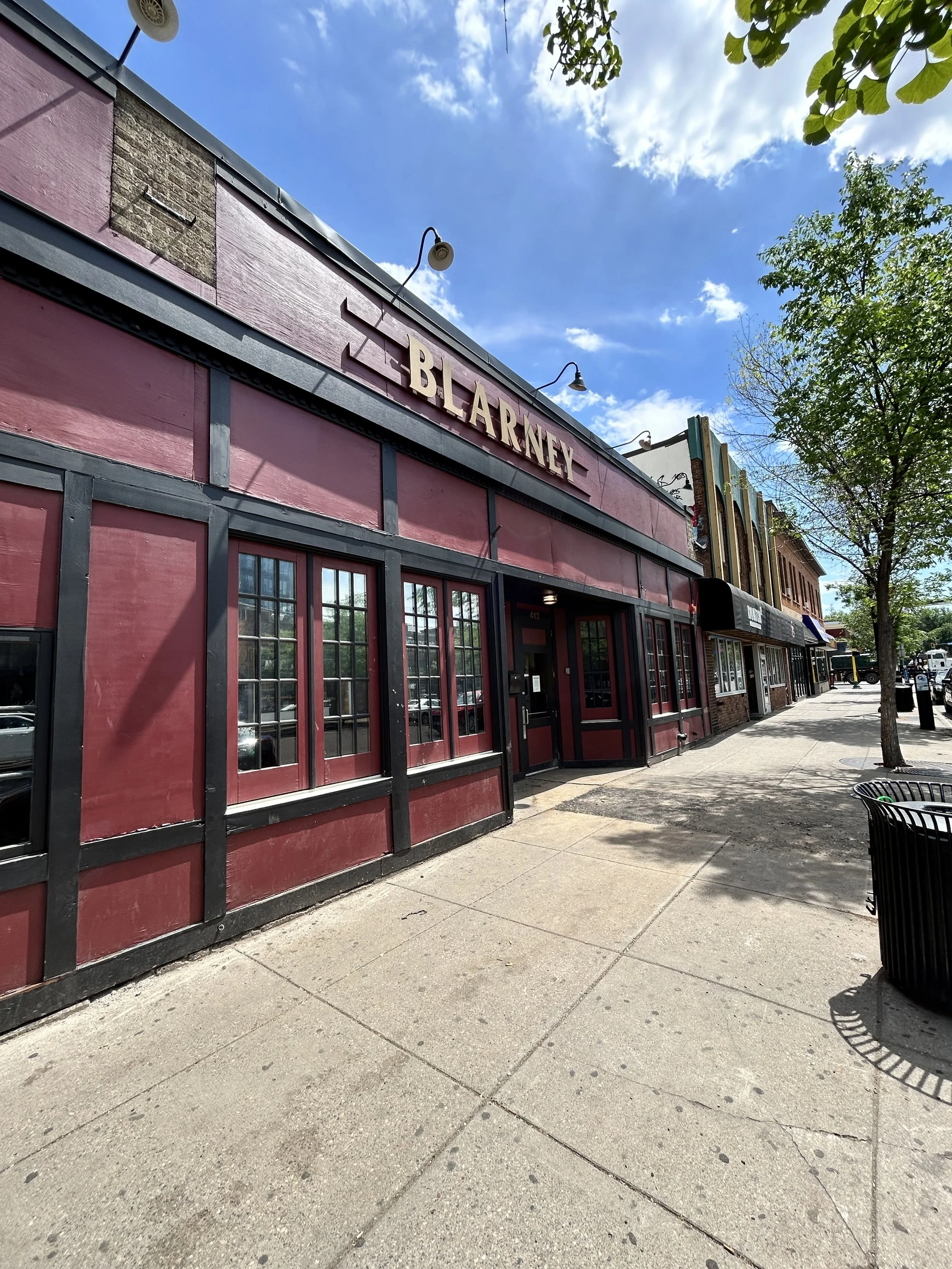
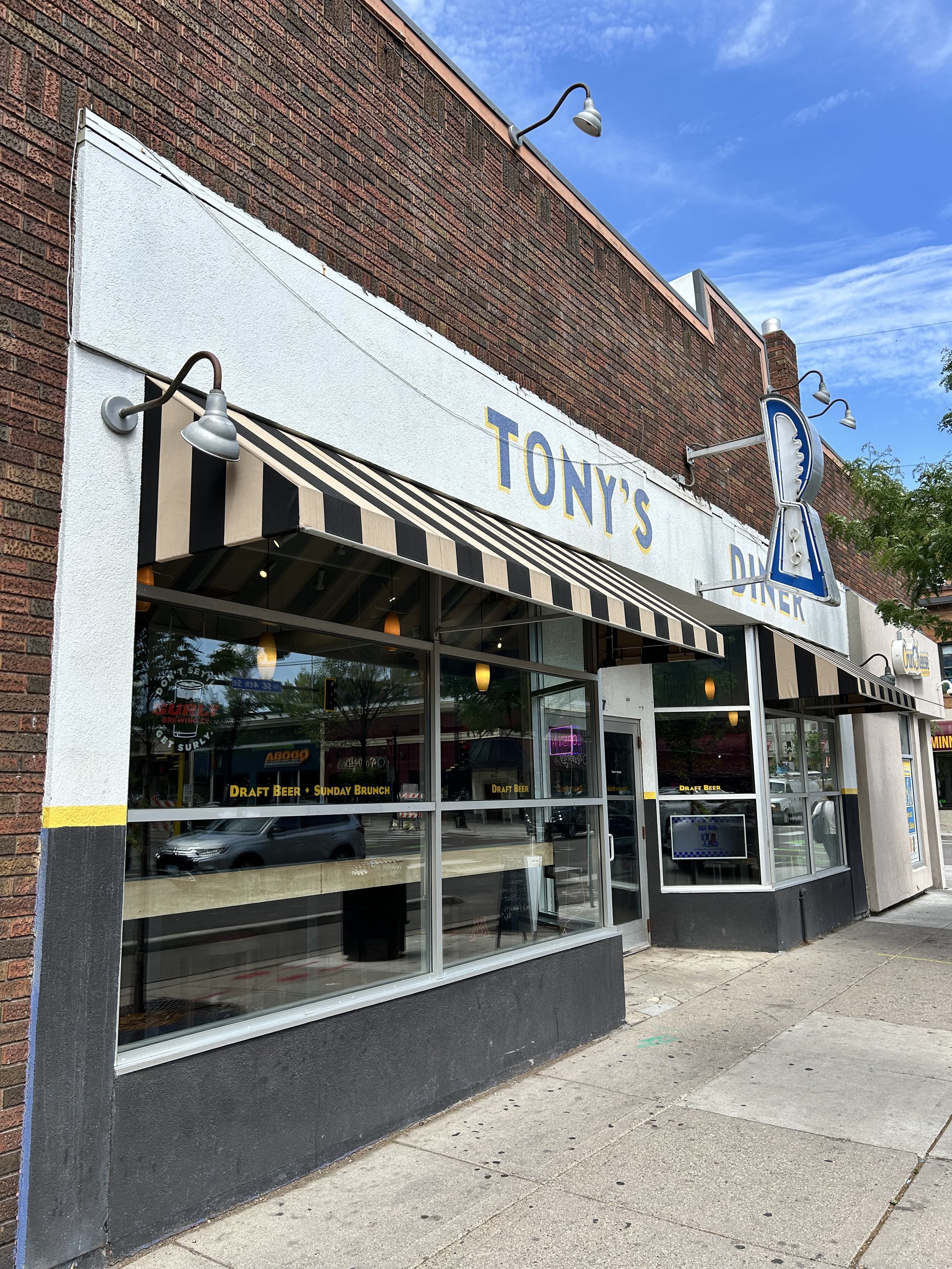
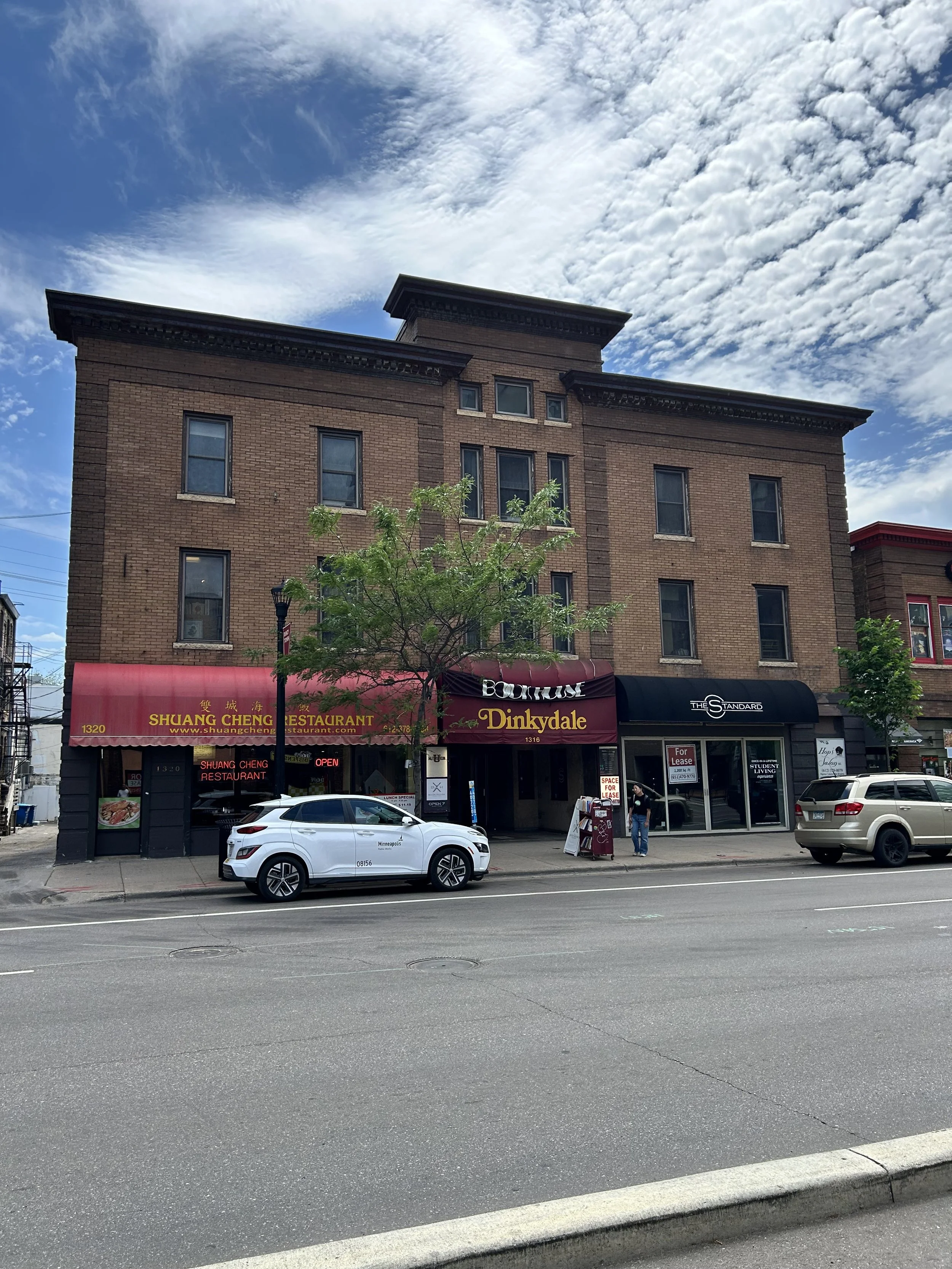
Located just north of the University’s East Bank campus, the area developed around the intersection of 4th Street SE and 14th Avenue SE, where students, workers, and nearby residents increasingly needed shops, restaurants, boarding houses, and entertainment close to campus. Railroad infrastructure and later streetcar lines helped transform what had once been a loosely developed edge of the city into a dense pedestrian-oriented commercial hub. The district’s historic core largely dates from the period between 1899 and 1929, when many of the brick commercial buildings still standing today were constructed.
The origins of the name “Dinkytown” remain debated, adding to the district’s mythology and character. The most widely accepted explanation ties the name to the small streetcars or railroad locomotives — known as “dinkys” or “dinkeys” — that once operated near the area and served nearby rail corridors and stations. Other theories suggest the name referred to the district’s compact size, a small theater once called “The Dinky,” or even linguistic references connected to early immigrant-owned businesses. Regardless of its exact origin, the name was firmly established by 1948, when local merchants formed the Dinkytown Business Association.
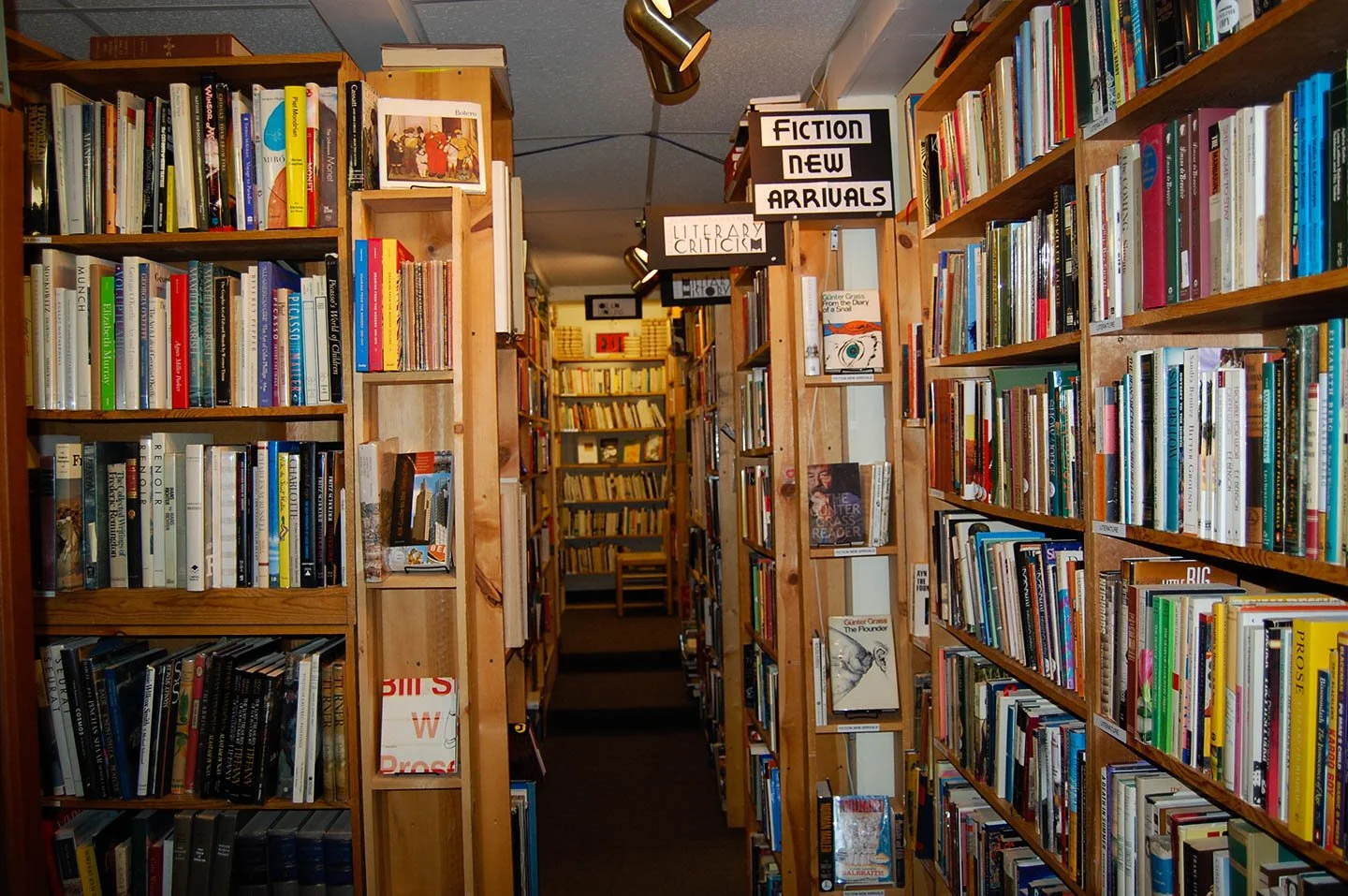
During the mid-twentieth century, Dinkytown became far more than a student shopping district. Following World War II, enrollment at the University of Minnesota surged as veterans returned to school under the GI Bill, dramatically increasing activity around the neighborhood. By the late 1950s and into the 1960s and 1970s, Dinkytown had evolved into one of Minnesota’s most important centers of student life, counterculture, music, literature, and political activism. Coffeehouses, bookstores, music venues, record stores, bars, and inexpensive restaurants gave the area a distinctive identity that resonated far beyond Minneapolis. The district became closely associated with folk music, protest movements, and creative experimentation, helping launch or influence numerous writers, artists, and musicians — most famously Bob Dylan during his early years in Minneapolis.
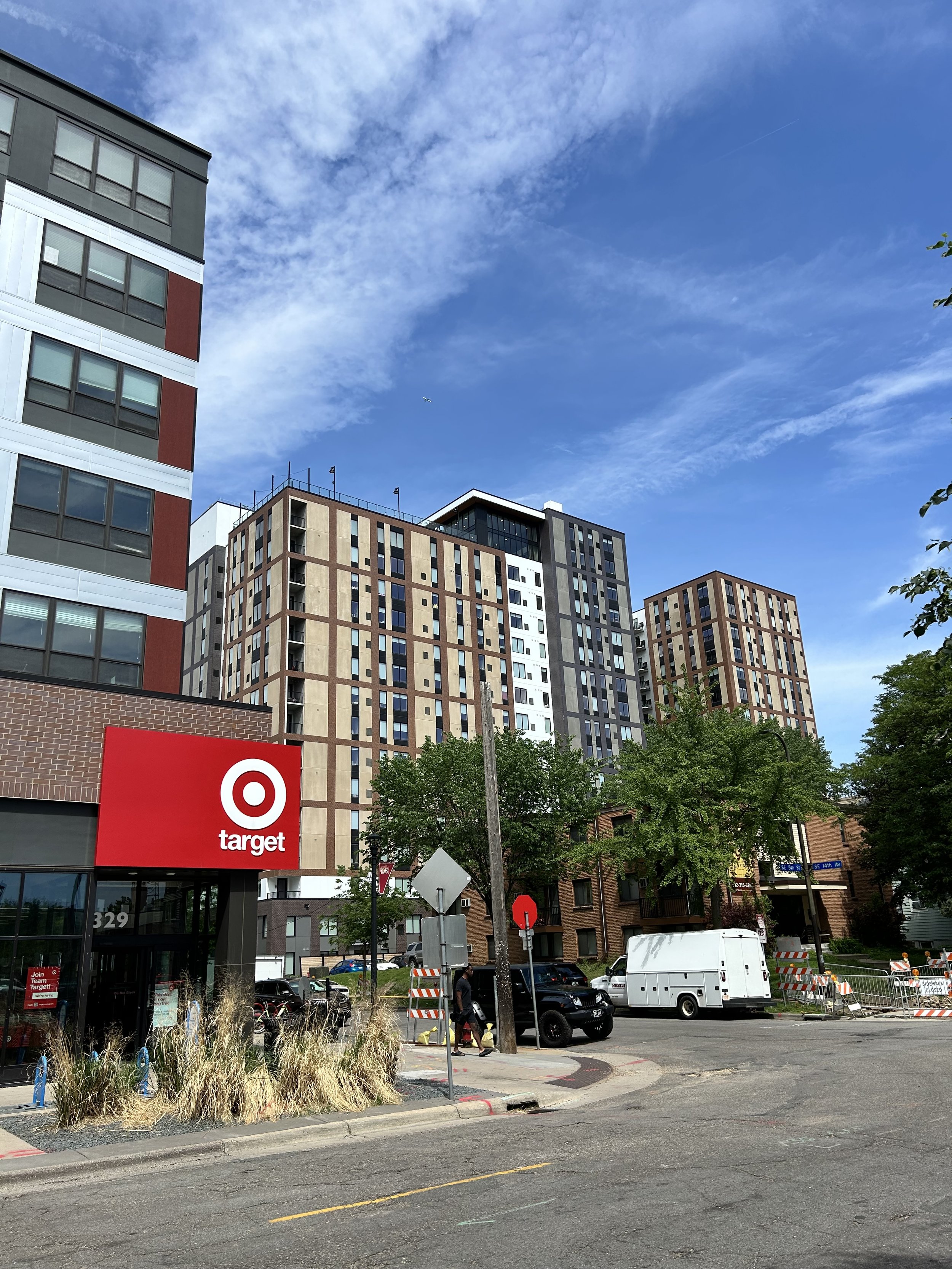
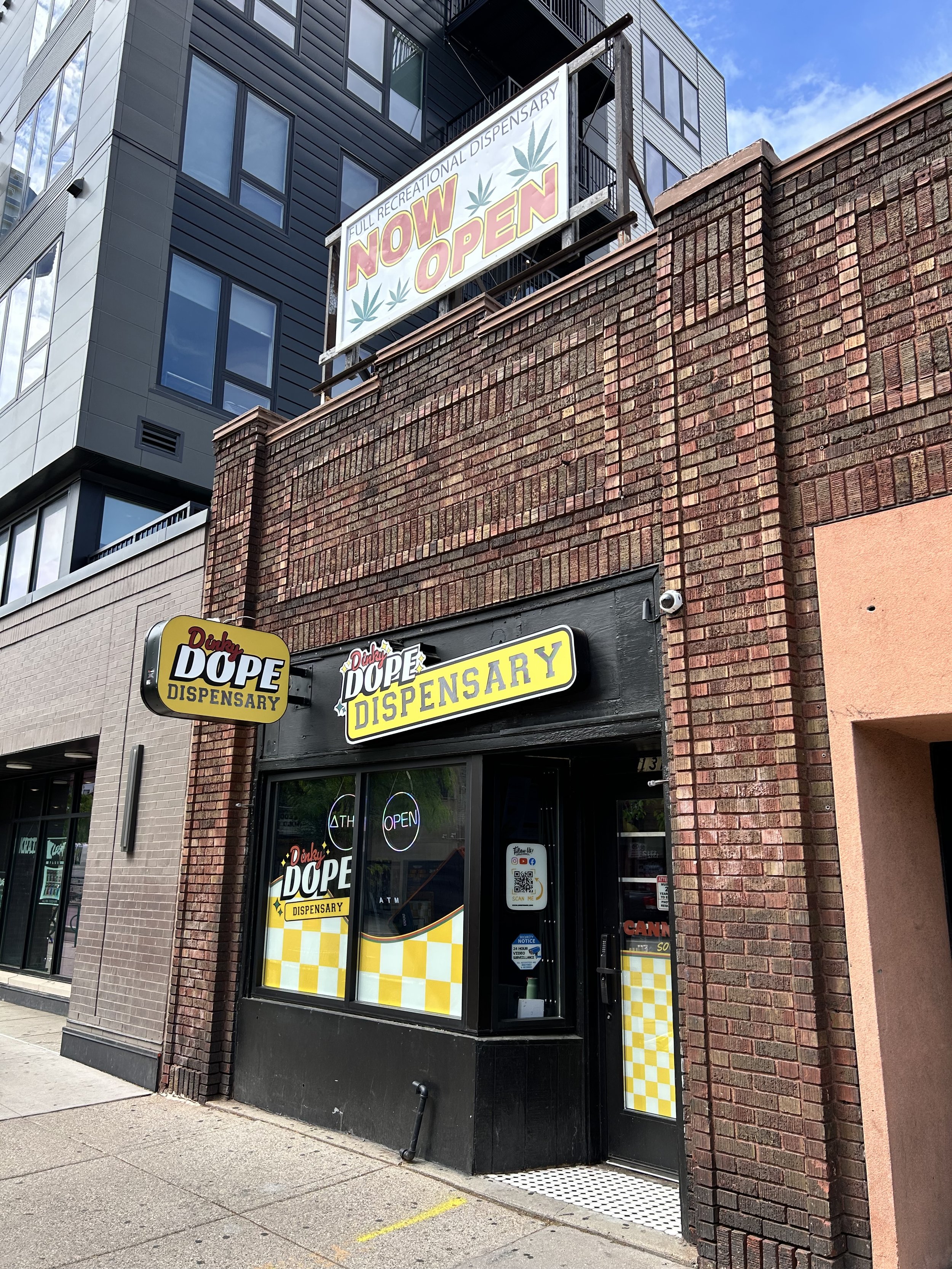
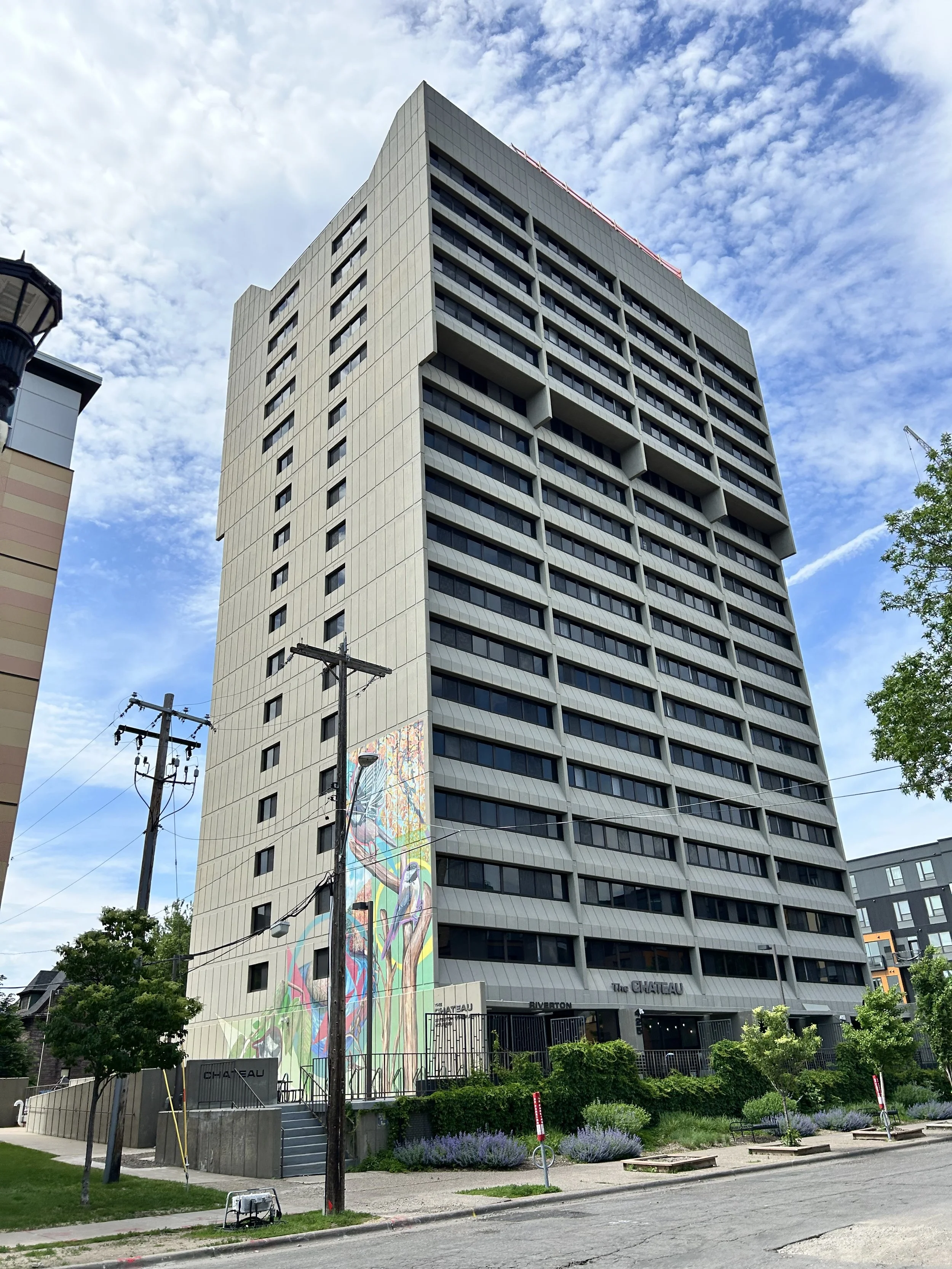
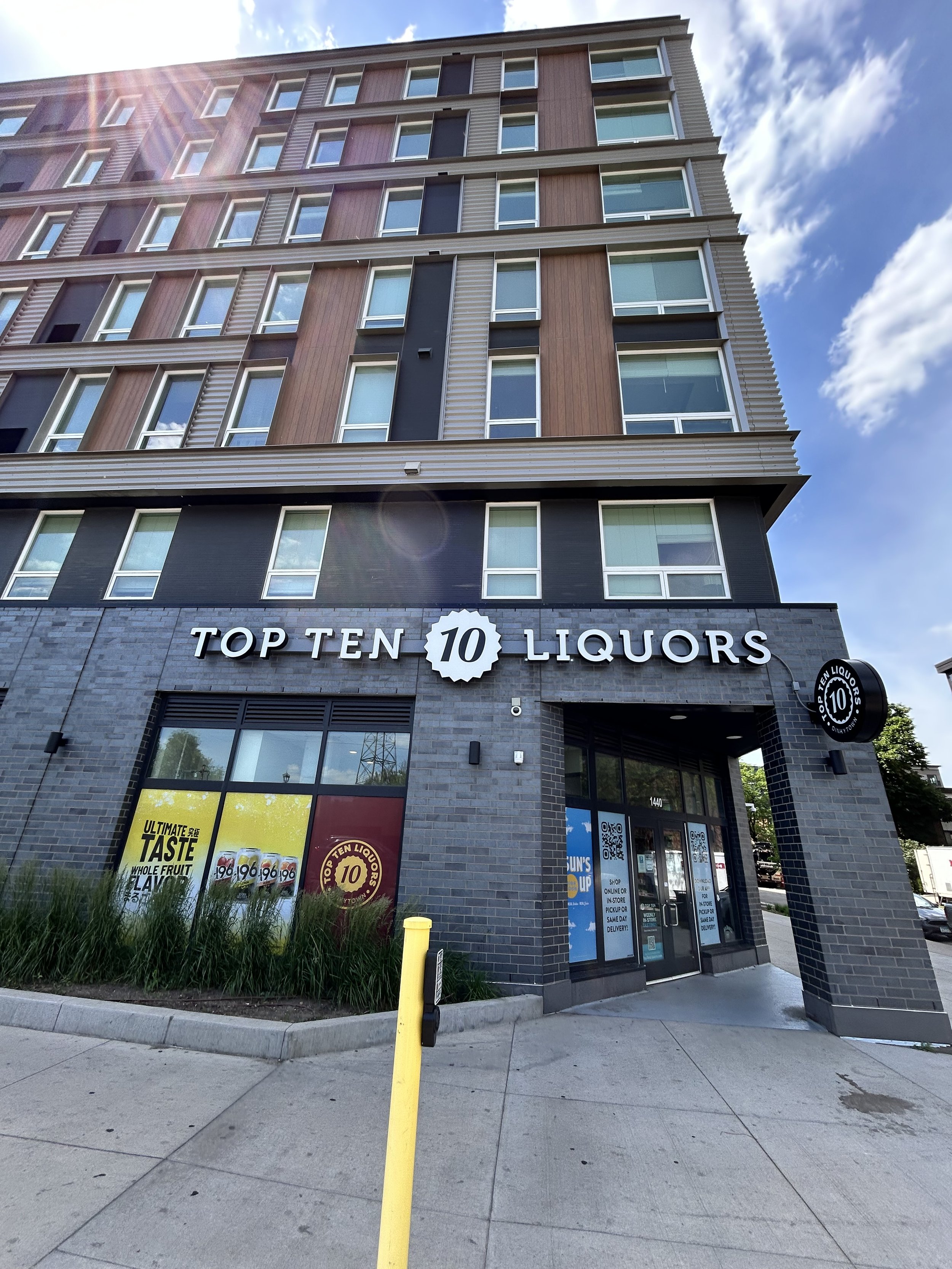
Like many urban commercial districts, Dinkytown experienced major changes in the late twentieth and early twenty-first centuries. Rising land values, redevelopment pressures, and changing retail patterns transformed portions of the district. Longtime businesses periodically closed or relocated, while larger apartment projects and national chains increasingly appeared near the historic core. These changes sparked recurring debates over preservation, affordability, student culture, and neighborhood identity. Preservation advocates successfully pushed for historic protections, culminating in the City of Minneapolis designating the Dinkytown Commercial Historic District in 2015. The designation recognized the district’s importance as a surviving streetcar commercial node and as a cultural center closely tied to the history of the university and Minneapolis itself.
Today, Dinkytown remains one of Minneapolis’ most recognizable and heavily visited commercial districts. While modern student housing towers and redevelopment projects have altered portions of the area, the district continues to function as the primary commercial and social hub adjacent to the University of Minnesota’s East Bank campus. Historic storefronts, music venues, restaurants, bars, and locally owned businesses still coexist with new development, reflecting the district’s continual evolution. Even amid ongoing debates about growth and change, Dinkytown retains a unique cultural identity shaped by generations of students, artists, activists, immigrants, entrepreneurs, and neighborhood residents who helped make it one of Minnesota’s most iconic urban districts.