ST. ANTHONY MAIN.
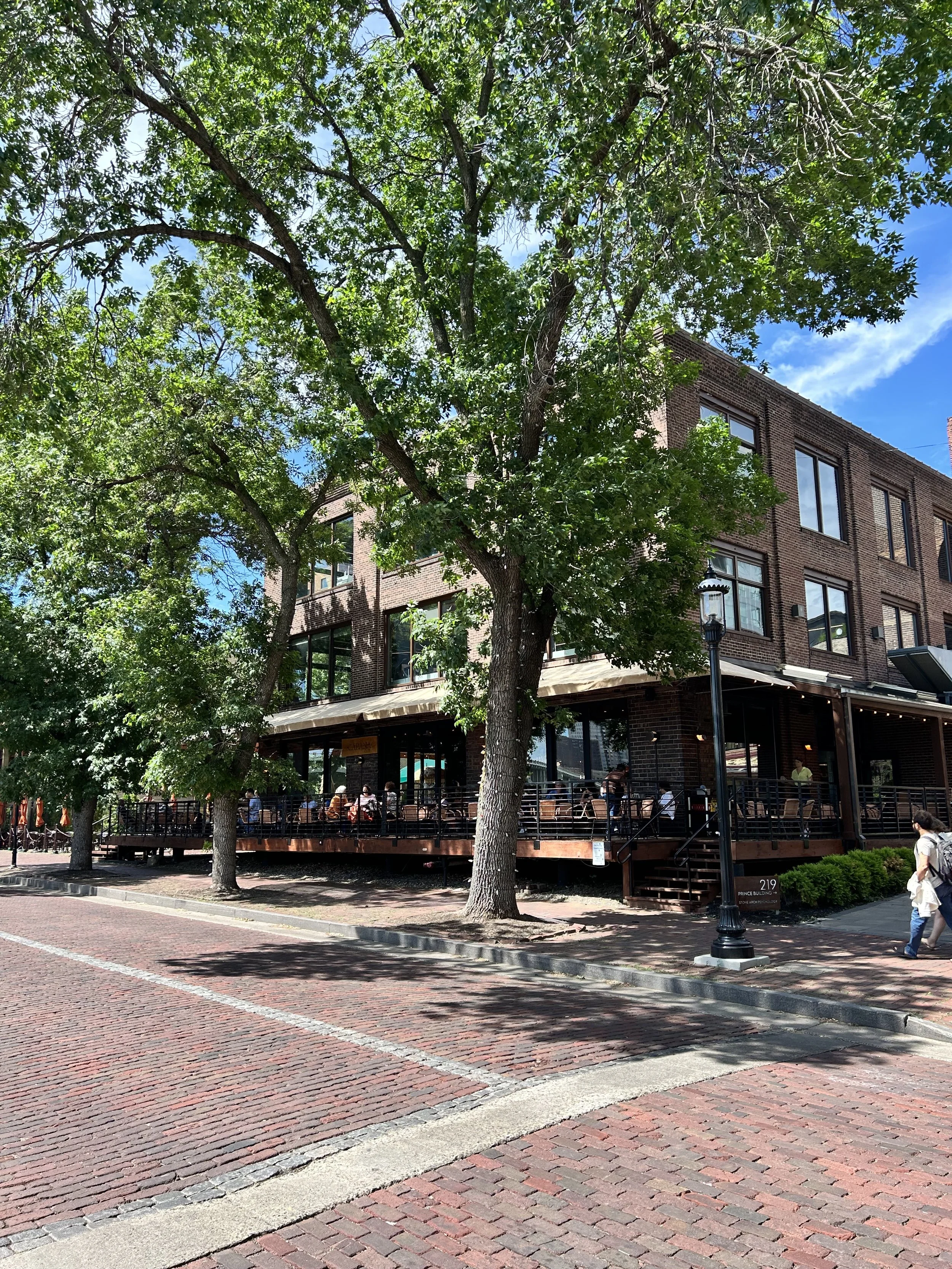
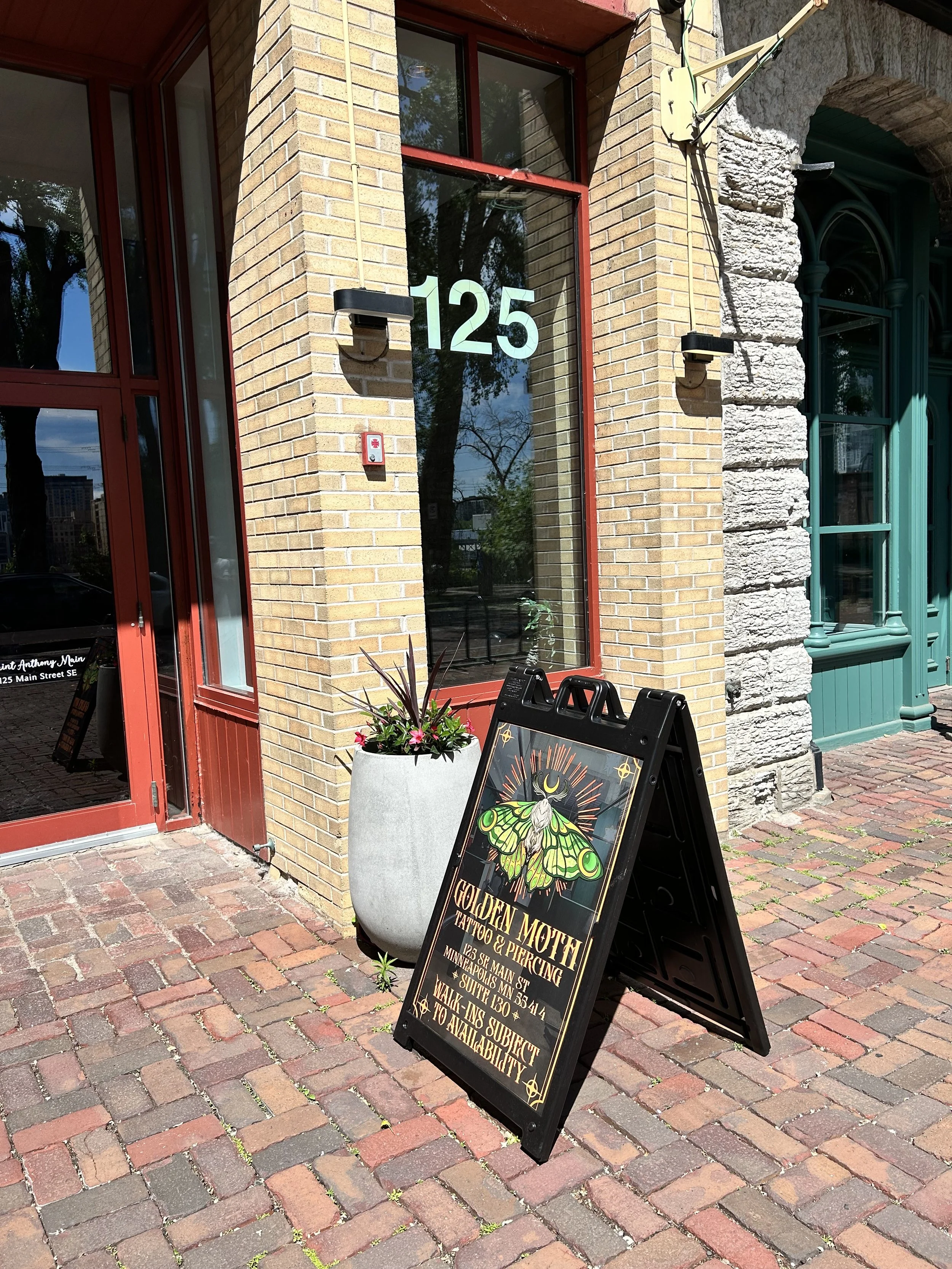
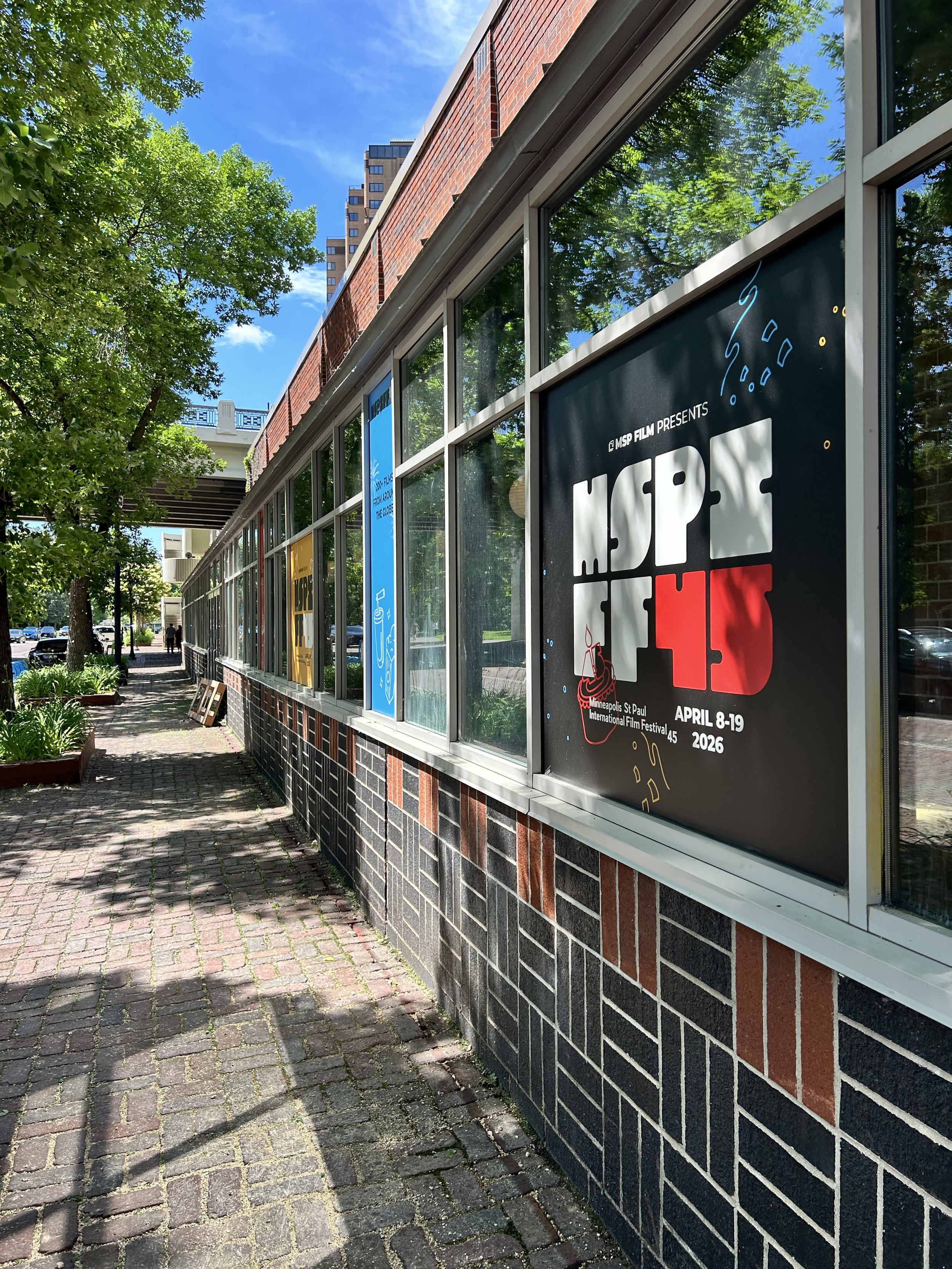
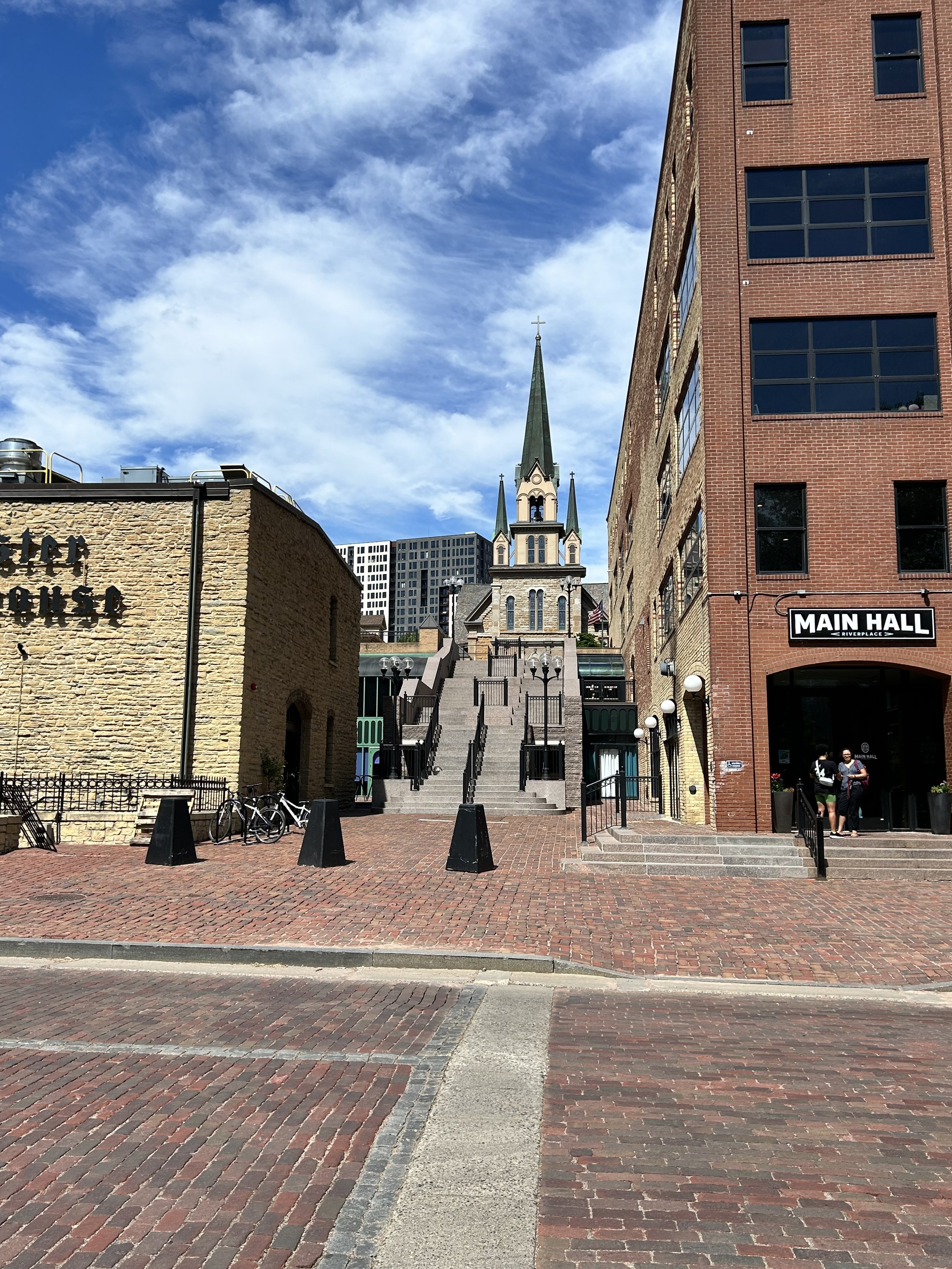
The St. Anthony Main commercial district along Main Street SE is one of the oldest surviving urban commercial areas in Minneapolis and closely tied to the very origins of the city itself.
Long before Minneapolis existed, the east side of the Mississippi River at St. Anthony Falls became an important center of trade, milling, and settlement. In 1848, Franklin Steele established one of the first sawmills near the falls, taking advantage of the only major waterfall on the Mississippi River as a source of industrial power. The nearby village of St. Anthony was formally platted in 1849 and quickly emerged as a booming frontier town built around lumber, flour milling, river commerce, and rail transportation. Main Street SE became the central commercial spine of this early settlement, lined with hotels, saloons, shops, warehouses, and industrial buildings serving workers, merchants, and travelers.
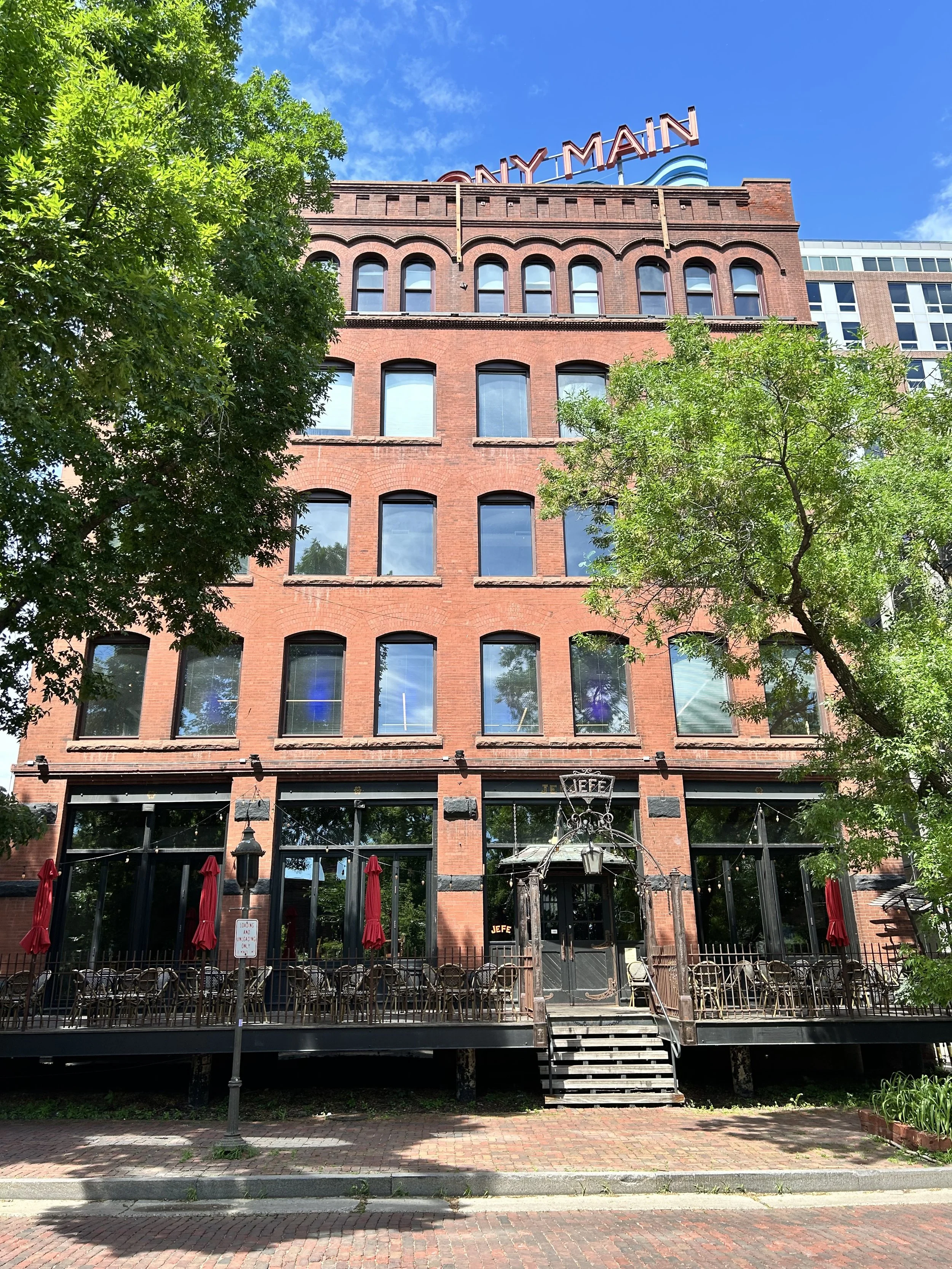
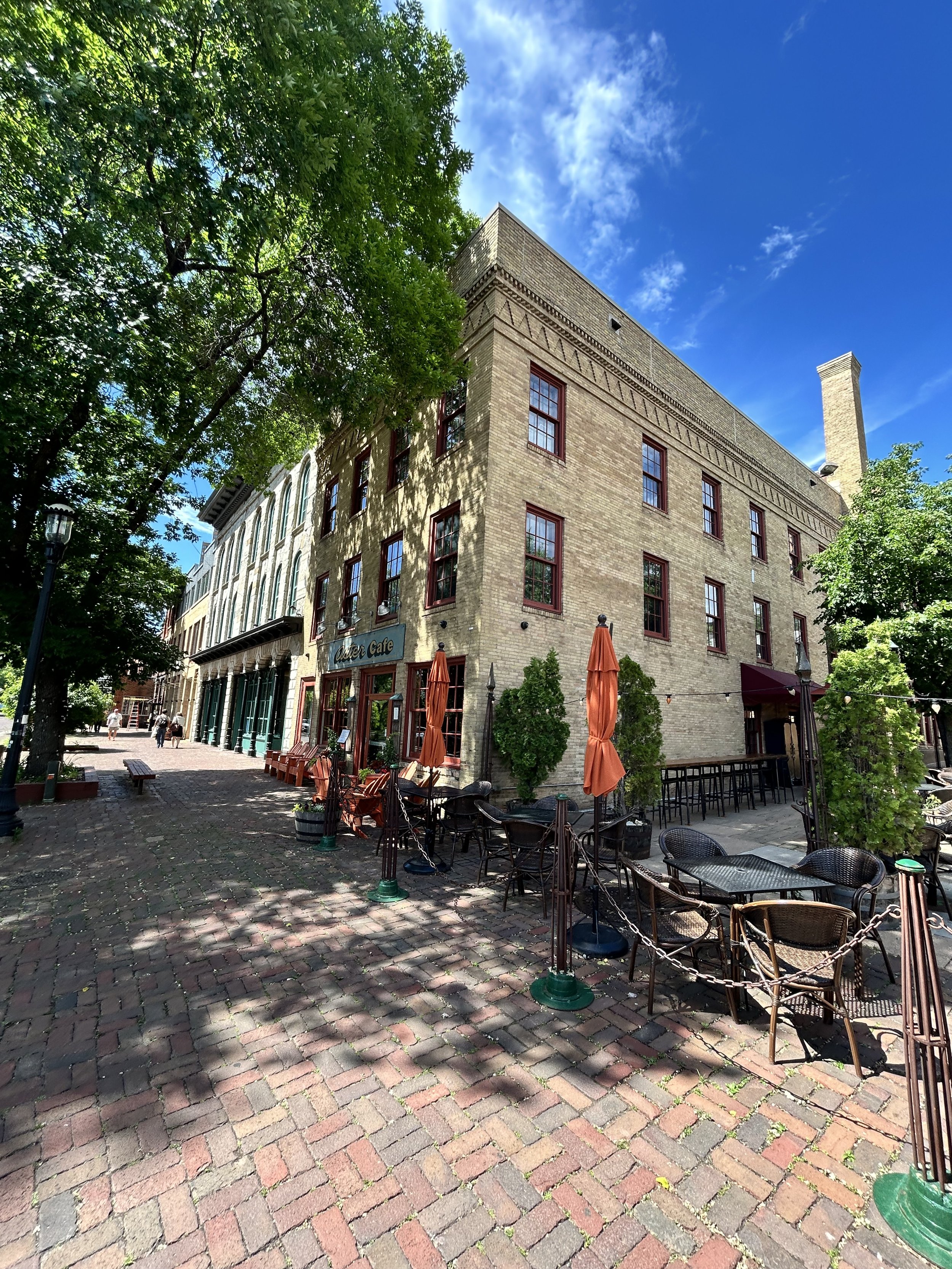
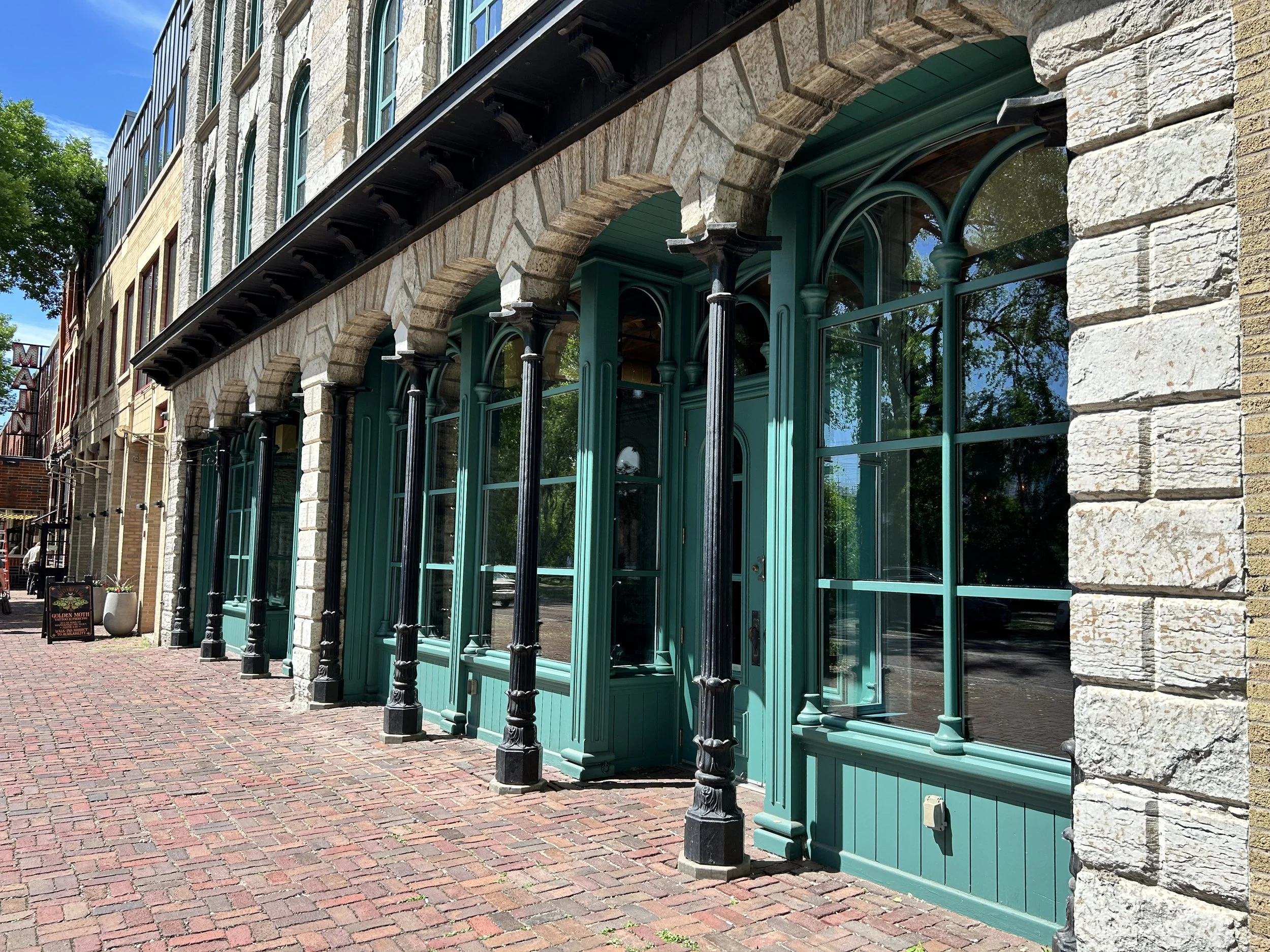
By the 1850s and 1860s, Main Street SE had become one of the most active commercial corridors in the region. Many of the district’s oldest surviving masonry buildings date from this period, including the Upton Block and the Martin & Morrison buildings, which are among the oldest commercial structures remaining in Minneapolis today. The corridor developed a dense mix of warehouses, machine shops, offices, boarding houses, and riverfront businesses closely connected to the enormous industrial activity surrounding St. Anthony Falls. During this period, St. Anthony and Minneapolis existed as separate municipalities on opposite sides of the river, though their economies were deeply interconnected through milling and trade. In 1872, the two cities officially merged into Minneapolis, but the east bank riverfront retained its own distinct identity rooted in the earlier village of St. Anthony.
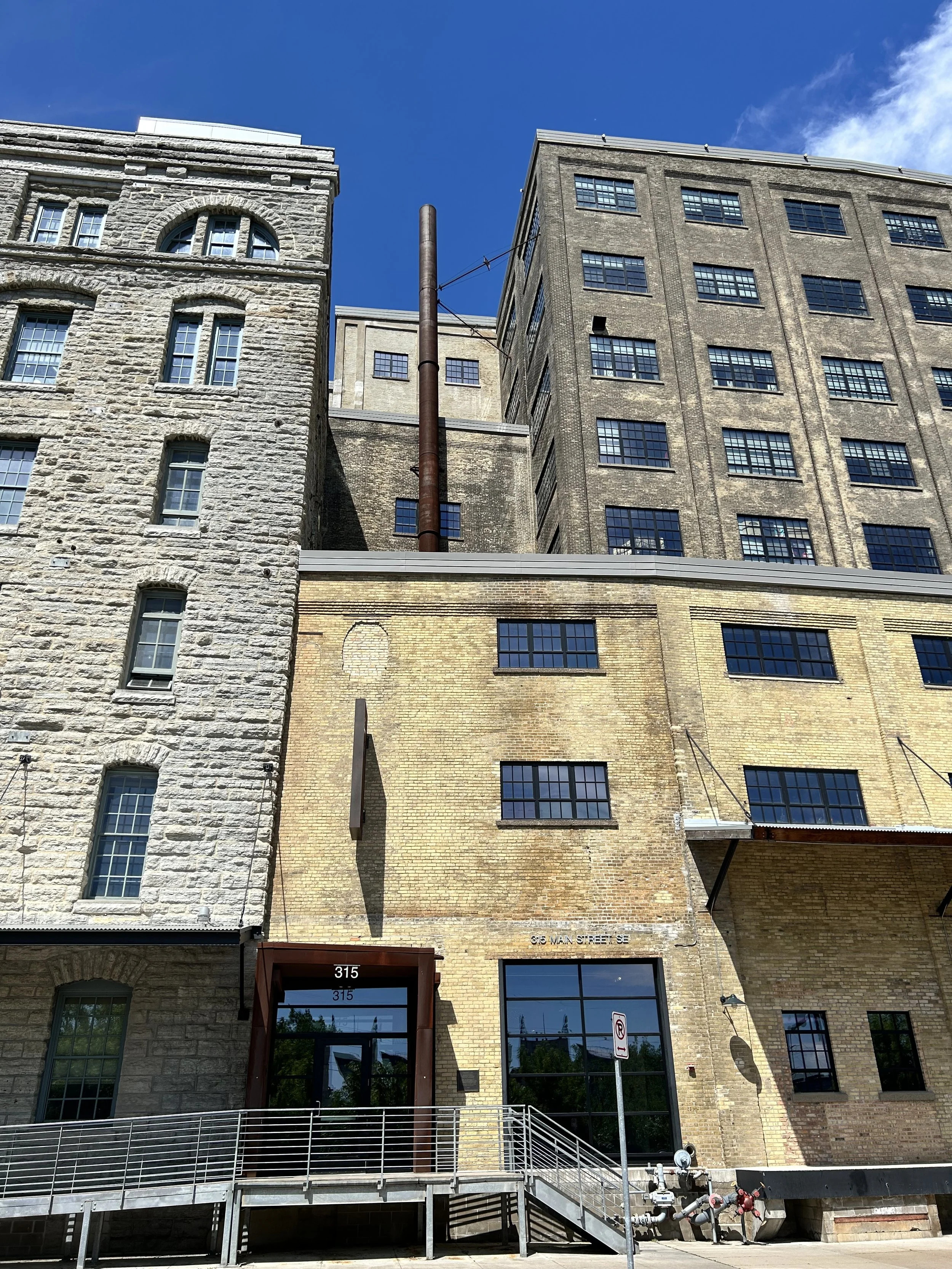
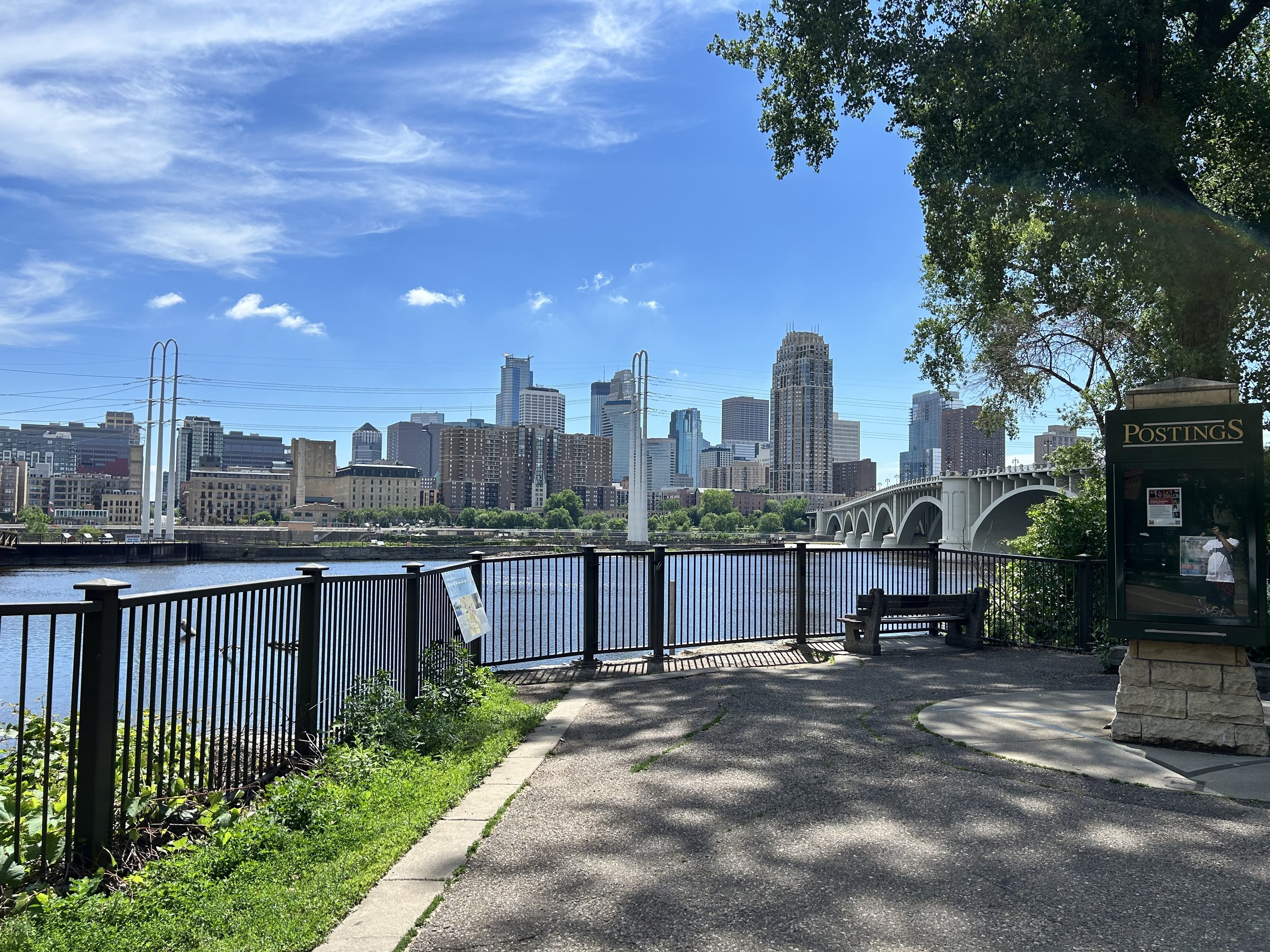
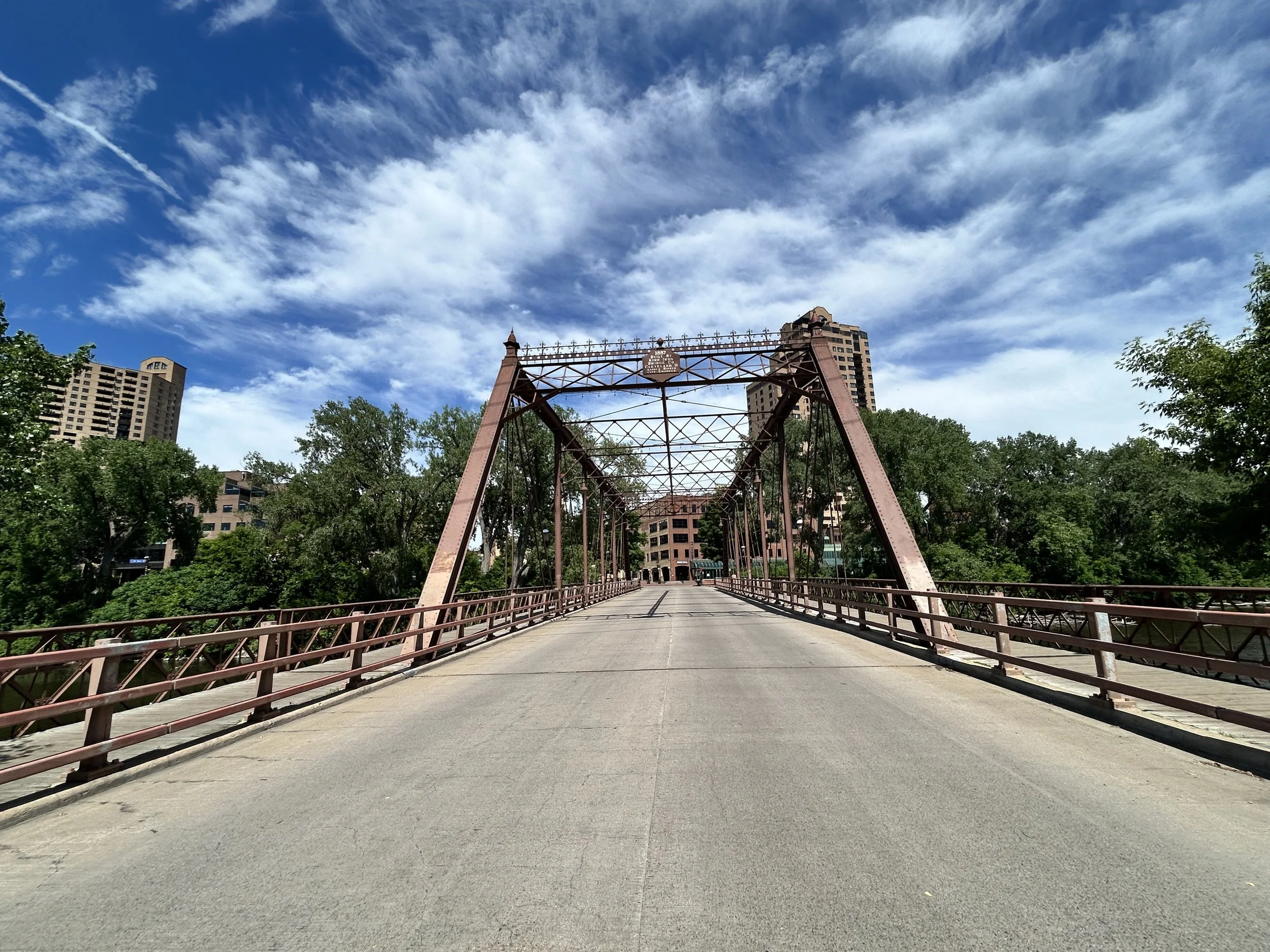
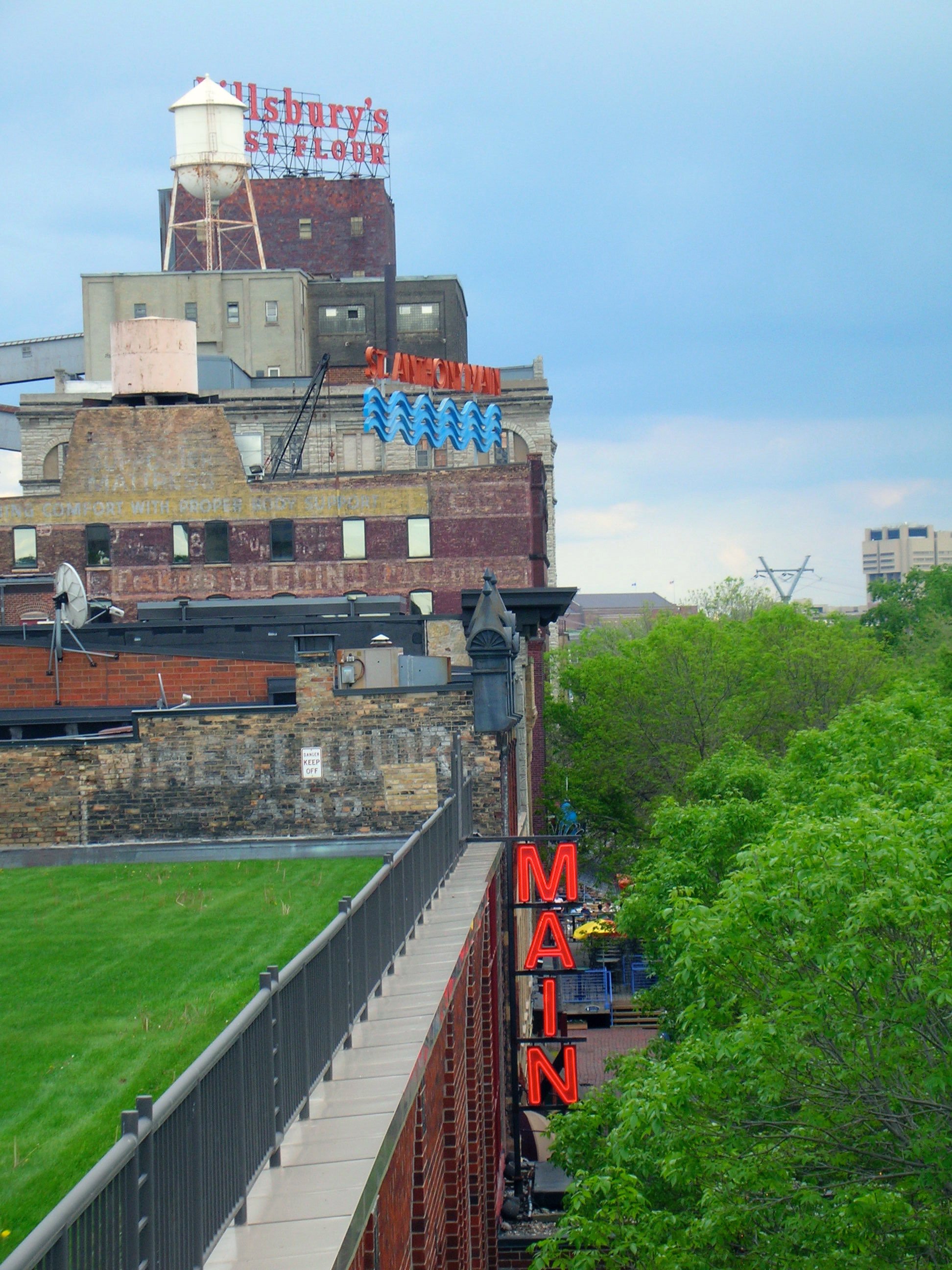
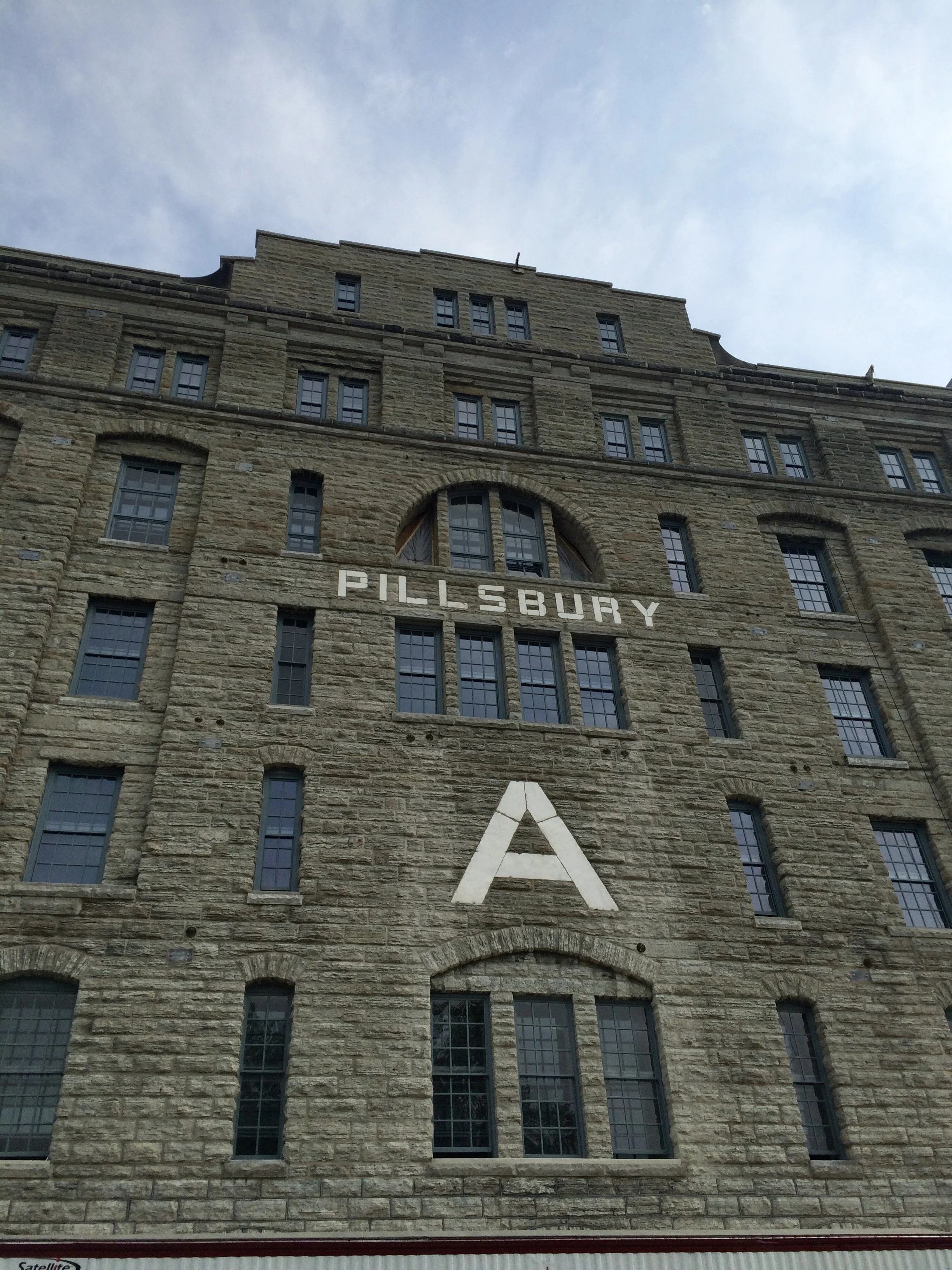
As Minneapolis industrialized in the late nineteenth and early twentieth centuries, the surrounding riverfront became one of the most important milling districts in the world. While massive flour mills increasingly dominated the west bank near downtown, the east bank around Main Street SE continued functioning as a mixed commercial and industrial district. Warehouses, manufacturing buildings, machine shops, and small businesses filled the corridor, while nearby railroad infrastructure and bridges linked the district to the broader regional economy. Historic landmarks such as the Pillsbury “A” Mill, the Stone Arch Bridge, and the cobblestone and brick streets of Main Street helped define the district’s industrial character. Even as other parts of Minneapolis modernized, much of the older building stock along Main Street survived due to the area’s continued industrial use and relatively limited redevelopment during the mid-twentieth century.
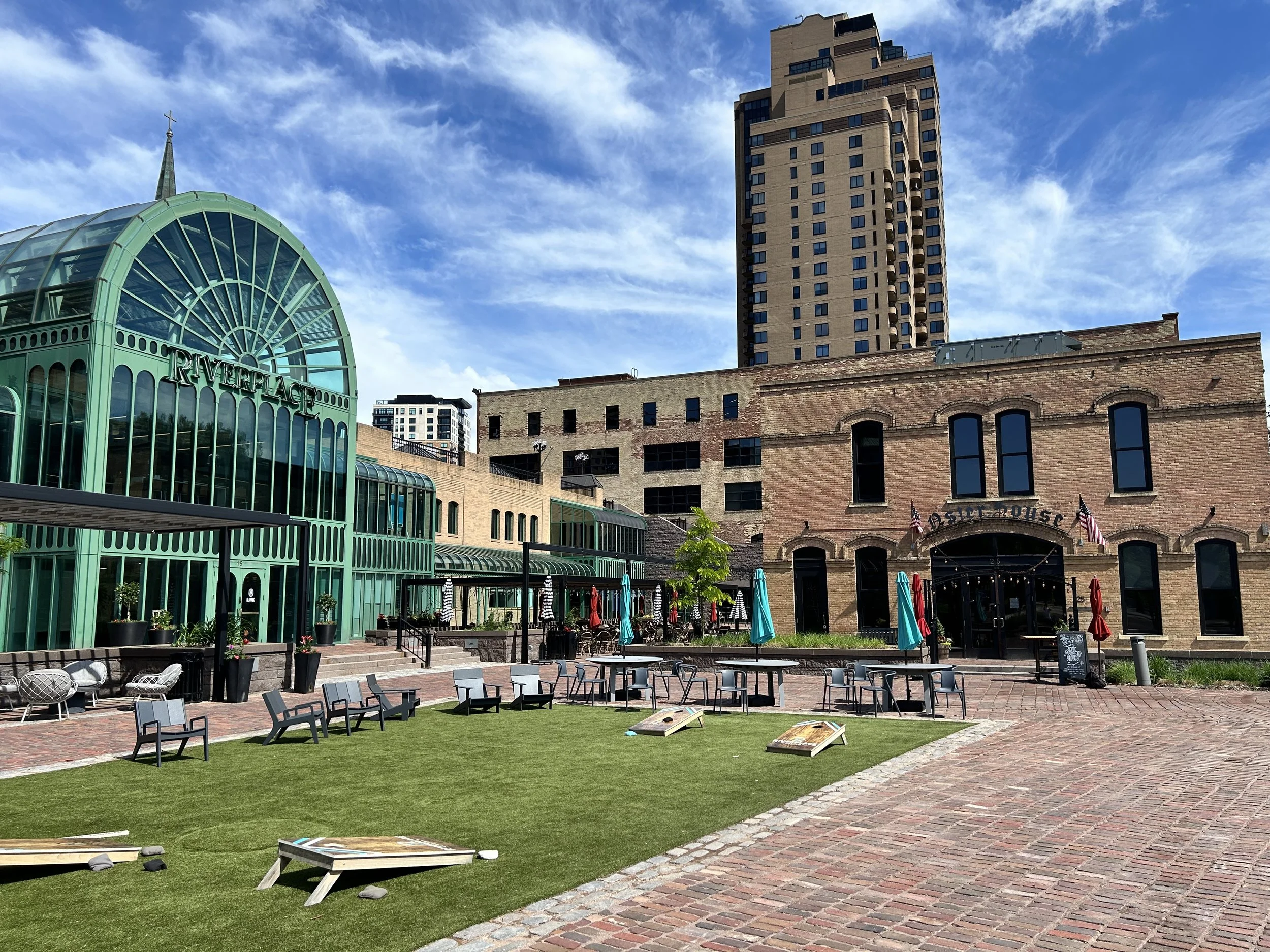
By the 1950s and 1960s, however, much of the riverfront had entered a period of decline as rail shipping patterns changed and older industrial uses faded. Portions of the area became underutilized or vacant, and the historic riverfront faced uncertain prospects. A turning point came in 1968 when architect Peter Nelson Hall purchased and restored the Pracna Building, helping spark renewed interest in Main Street SE and the historic riverfront. During the 1970s and 1980s, developers, preservationists, and civic leaders began transforming the area into one of Minneapolis’ earliest large-scale historic adaptive reuse districts. The Saint Anthony Main complex opened as a festival marketplace in the 1980s, bringing restaurants, shops, entertainment venues, and public gathering spaces back to the riverfront while preserving many historic buildings.
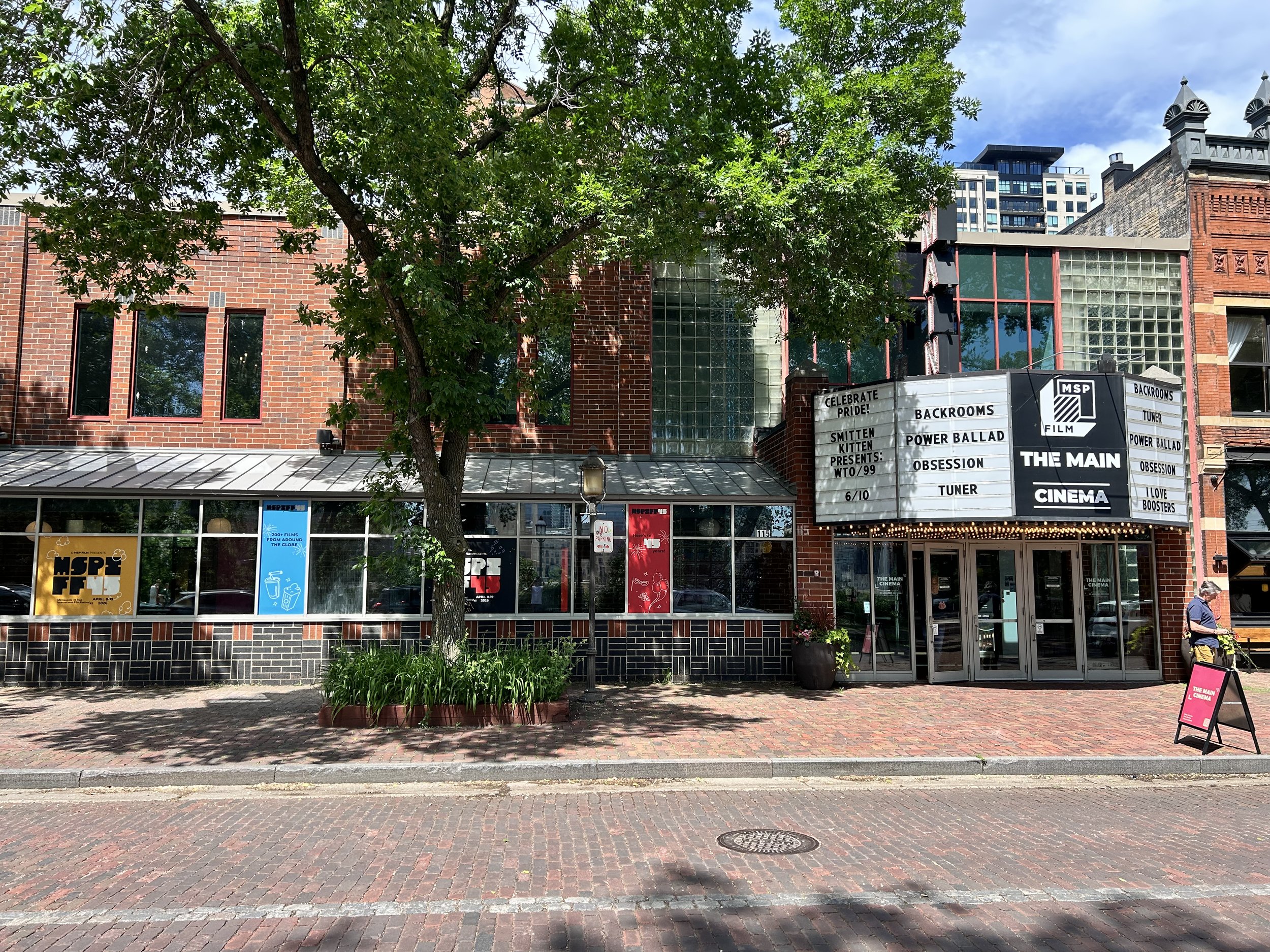
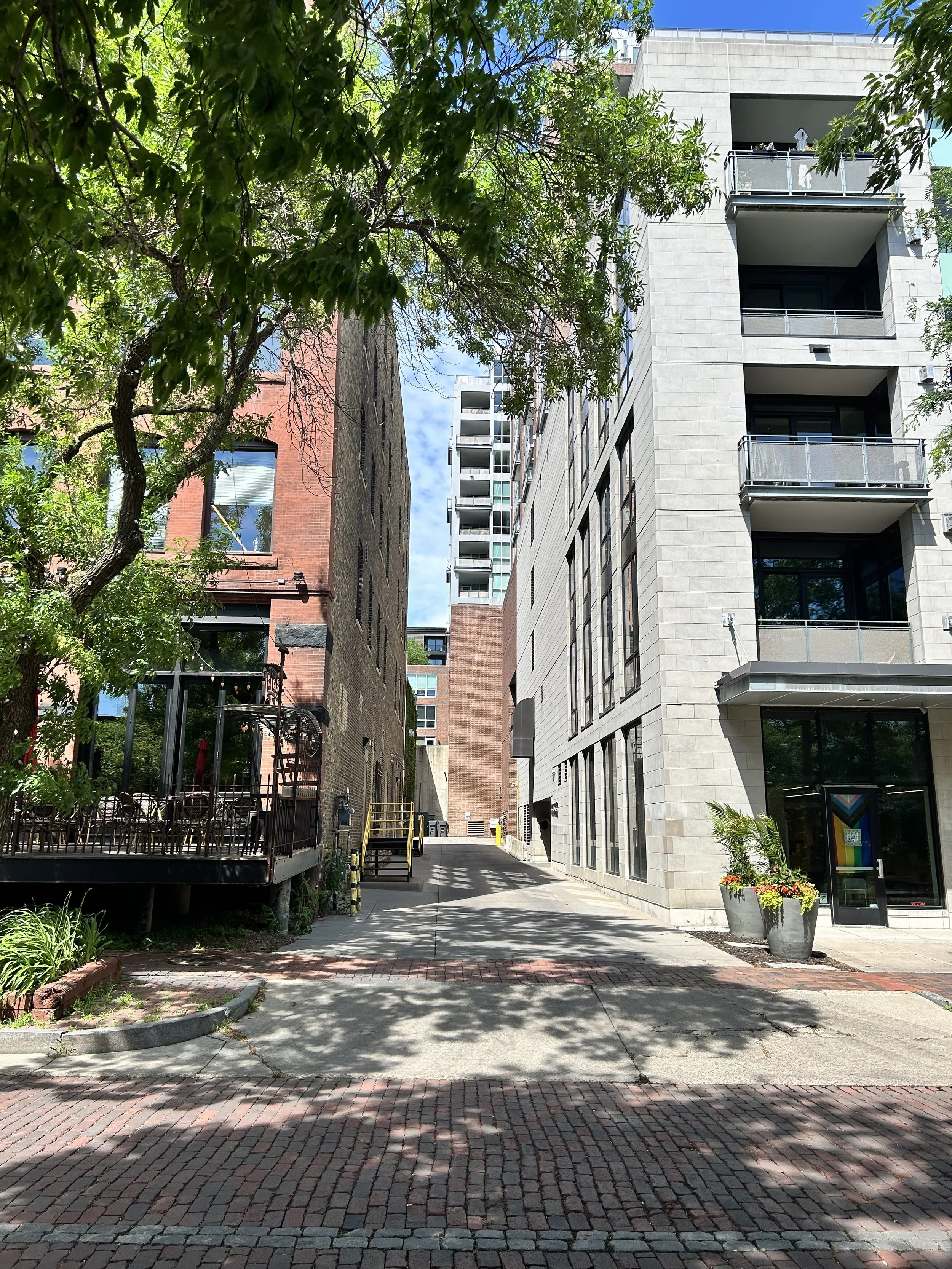
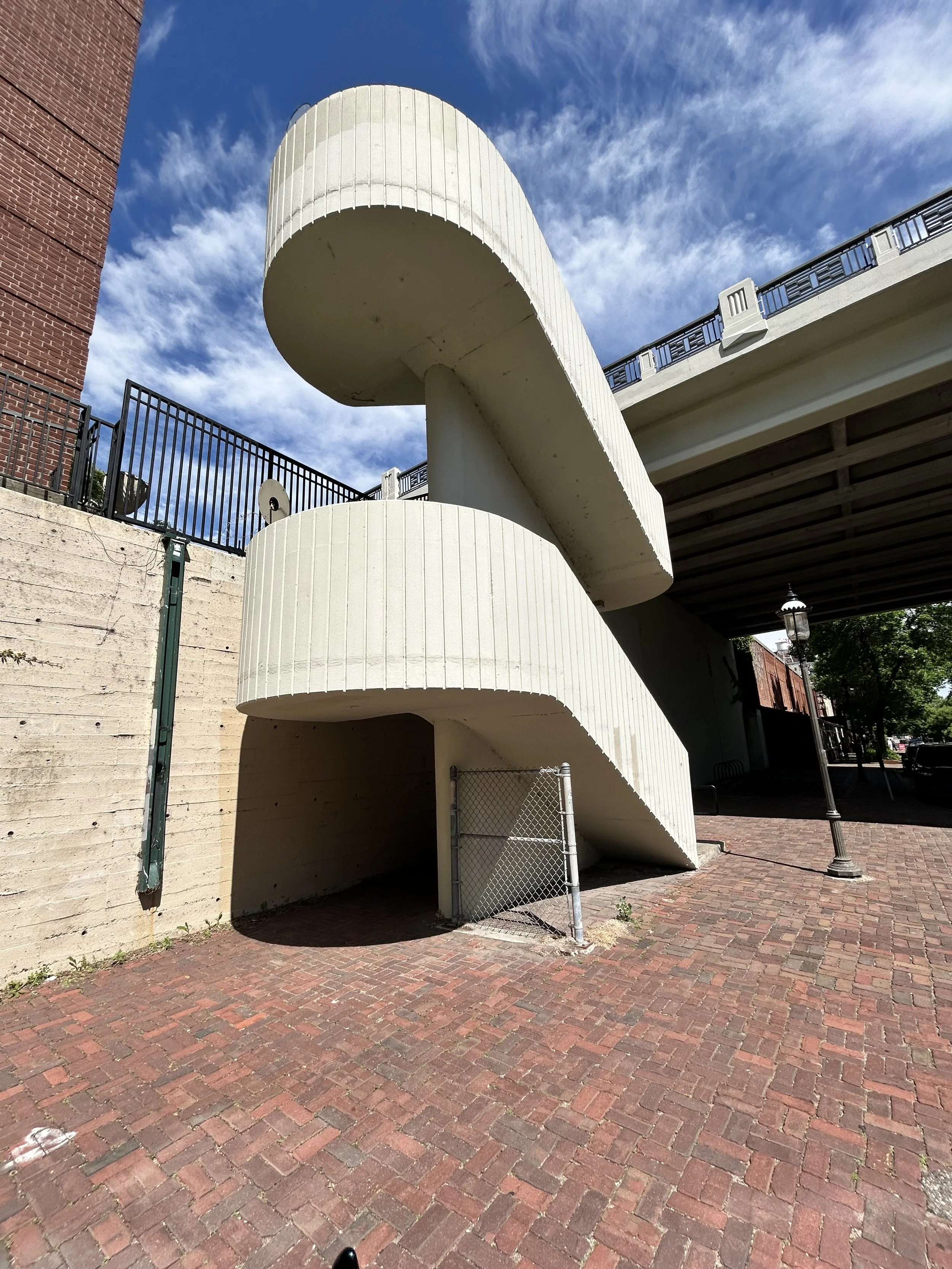
Today, St. Anthony Main is both a historic district and one of Minneapolis’ most recognizable riverfront destinations. The area blends preserved nineteenth-century architecture with newer housing, hospitality, entertainment, and cultural uses. Restaurants, cafés, patios, offices, apartments, and the historic Main Cinema coexist alongside remnants of the city’s industrial past. The district’s brick and stone streets, riverfront setting, and views of downtown Minneapolis continue to make it a major destination for residents and visitors alike. At the same time, St. Anthony Main remains deeply connected to the broader story of Minneapolis itself — a place where the city’s early commercial, industrial, and architectural history remains physically visible in a way few urban districts in Minnesota can match.